Gayle Nicholson // Flickr

fifty classics from (nearly) everyone's high school reading list
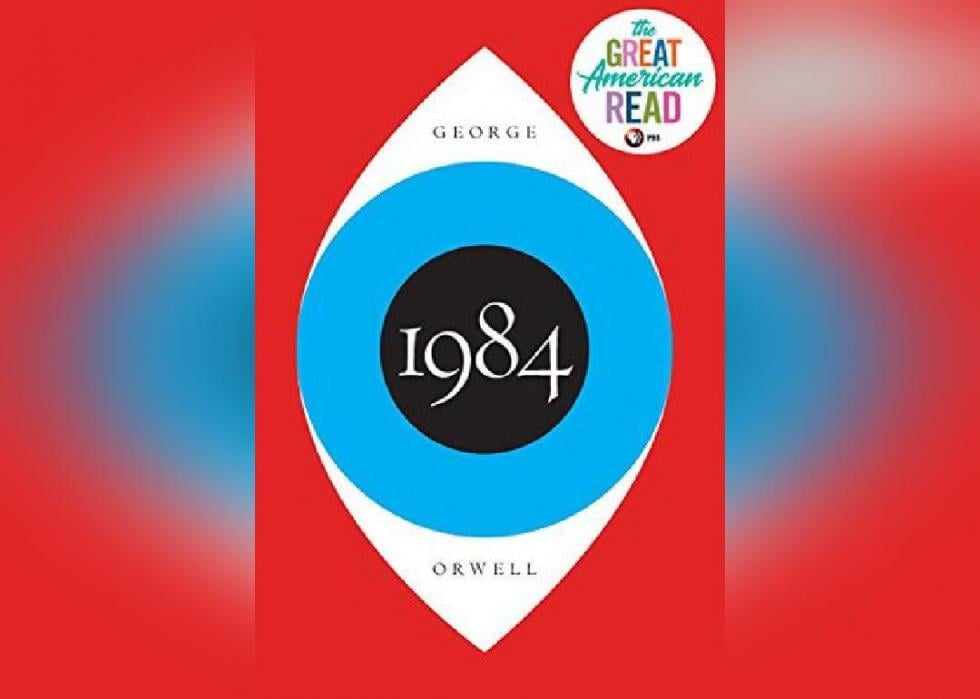
Enquiry shows that reading fiction encourages empathy. While more loftier school curriculums should include modern, diverse writers like Amy Tan and Malala Yousafzai, certain classics—like John Steinbeck's "The Grapes of Wrath" and Sandra Cisneros'southward "The Business firm on Mango Street"—suffer. George Orwell's "1984," a novel published in 1949 well-nigh a dystopian future where the government controls the truth, even surged to the Amazon best-sellers listing in 2017, before long after sometime President Trump's advisor Kellyanne Conway described falsehoods as "alternative facts."
Sometimes parents, teachers and school-board officials disagree on what kids should or shouldn't read in loftier school. In 2018, "To Kill a Mockingbird" and "The Adventures of Huckleberry Finn" were dropped in a Minnesota school commune because they comprise racial slurs. Kurt Vonnegut's "Butchery-Five," a book well-nigh an American soldier doomed to repeat history, has been controversial for decades. In 2011, a Missouri High School pulled it from library shelves later complaints it was anti-American.
Certain books deserve a get-go, 2nd, or peradventure fifty-fifty a third read. Using data from Goodreads, Stacker compiled a list of 50 timeless books, plays, and epic poems commonly found on high school reading lists. A total of 1,002 voters picked the most essential reading required for students. The terminal ranking takes into account how many times each book was voted on and how highly voters ranked them. Read on to come across which classics made the list.

You may also similar: Best-selling fiction novels from the yr you lot were born

1 / l

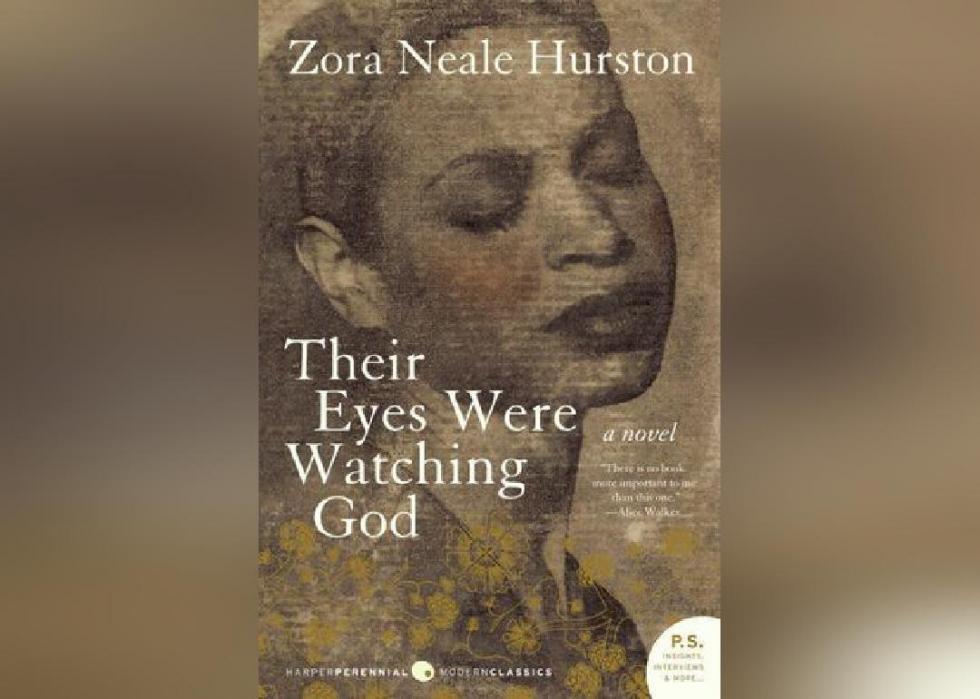
#50. Their Eyes Were Watching God

- Author: Zora Neale Hurston
- Score: 3,540
- Boilerplate rating: iii.xc/5, based on 232,956 ratings

A coming-of-historic period tome set in early on 1900s Florida, "Their Eyes Were Watching God" tackles a multitude of bug: racism, sexism, segregation, poverty, and gender roles. Initially overlooked upon its release, Hurston'southward best-known work is at present considered a modern-American masterpiece, cheers to work done in Black studies programs in the 1970s.

ii / 50

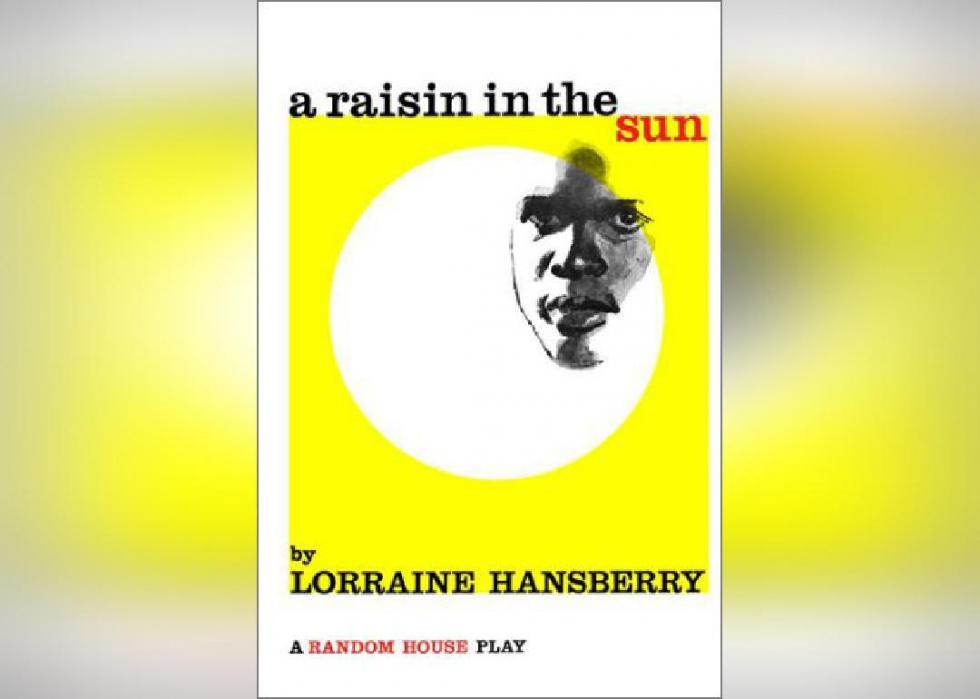
#49. A Raisin in the Dominicus

- Author: Lorraine Hansberry
- Score: 3,550
- Average rating: 3.76/5, based on 59,314 ratings

The story follows the Youngers, a working-class Black family living on the Due south Side of Chicago who move to an all-white neighborhood during a time of desegregation. In 1959, Lorraine Hansberry became the get-go Black playwright to become a play produced on Broadway. The title of the play comes from "Dream Deferred," a verse form by Langston Hughes.

3 / 50

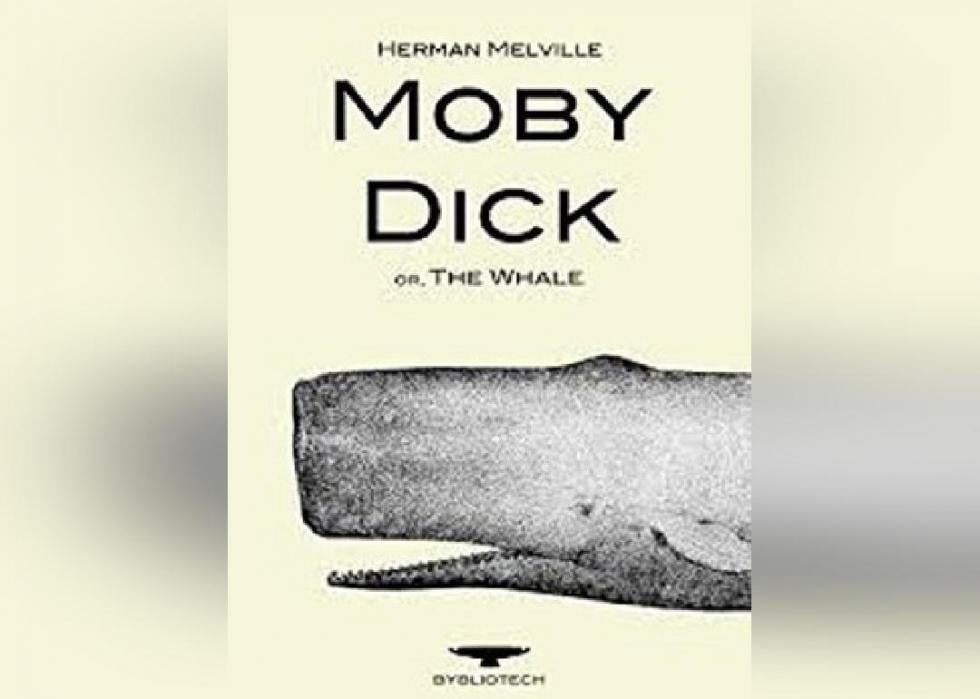
#48. Moby-Dick; or, the Whale

- Writer: Herman Melville
- Score: iii,750
- Average rating: 3.49/5, based on 445,669 ratings

Herman Melville uses the narrative of a sailor, Ishmael. He is on board with Helm Ahab who is trying to exact revenge against Moby Dick, the white whale that bit off his leg at the knee. For those who didn't written report the tale in high school—or couldn't brand it through the 135 chapters—critics say information technology really is worth a read. Some refer to it every bit the American Bible, better approached after becoming an adult and not as a student in high school.

4 / 50

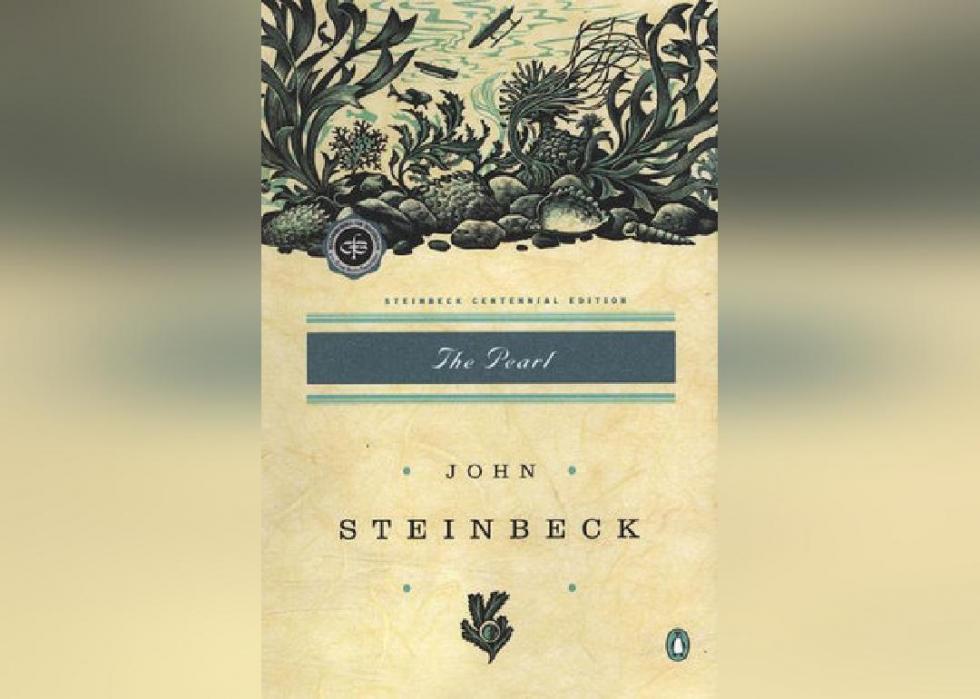
#47. The Pearl

- Writer: John Steinbeck
- Score: 3,821
- Average rating: 3.45/5, based on 171,505 ratings

John Steinbeck'south "The Pearl" tells the story of Kino, a poor diver who is trying to support his family by gathering pearls from gulf beds. He is only barely scraping past until he happens upon a giant pearl. Kino thinks this discovery volition finally provide him with the financial comfort and security he has been seeking, just it ultimately brings disaster. The story addresses the reader'due south relationship to nature, the human being demand for connection, and the consequences of resisting injustice.

5 / l

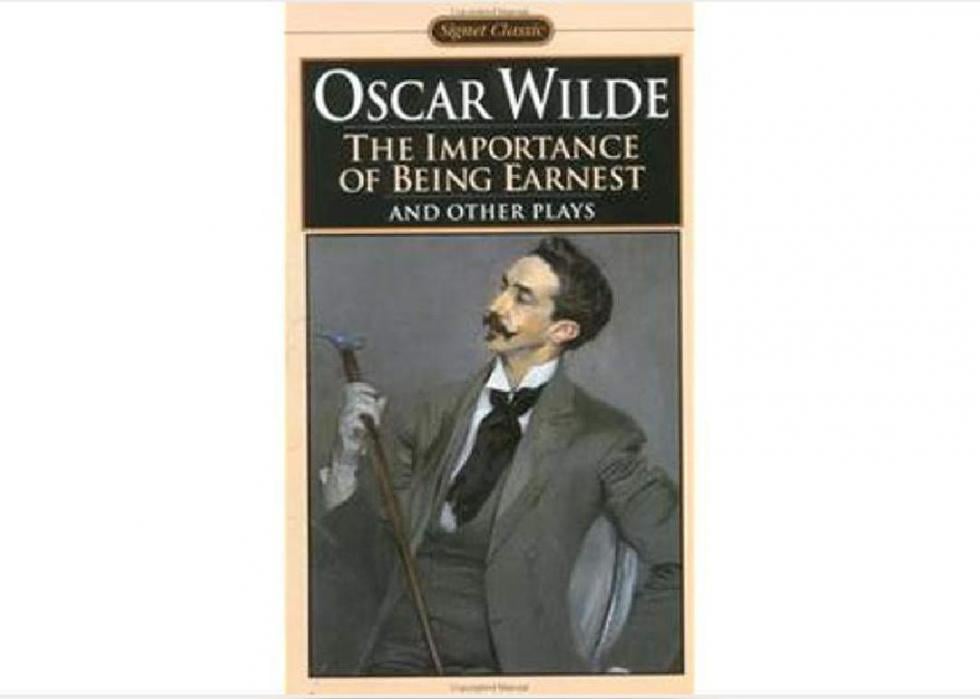
#46. The Importance of Existence Earnest

- Author: Oscar Wilde
- Score: 3,825
- Average rating: 4.17/5, based on 277,734 ratings

This comedic play by Oscar Wilde takes a satiric look at Victorian social values while following two men—Jack Worthing and Algernon Moncrieff—as they tell lies to bring some excitement to their lives. "The Importance of Being Earnest" was Wilde's final play, and some consider information technology his masterpiece.

6 / 50

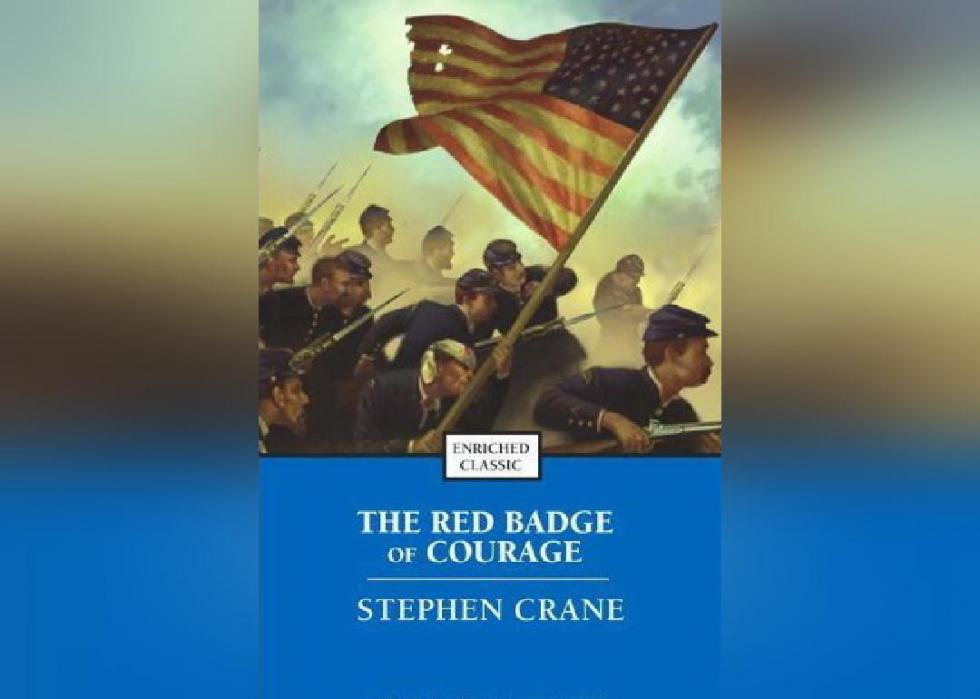
#45. The Red Badge of Backbone

- Author: Stephen Crane
- Score: 3,838
- Average rating: 3.23/5, based on 82,944 ratings

In "The Carmine Badge of Courage," Henry Fleming enlists in the Union Army, enticed by visions of glory. When the reality of war and battle ready in, Fleming retreats in fright. In the end, he faces his cowardice and rises to leadership. This American state of war novel was published in 1895 and is so accurate that it'south easy to believe the author—who was built-in after the Civil State of war ended—was himself a veteran.

7 / fifty

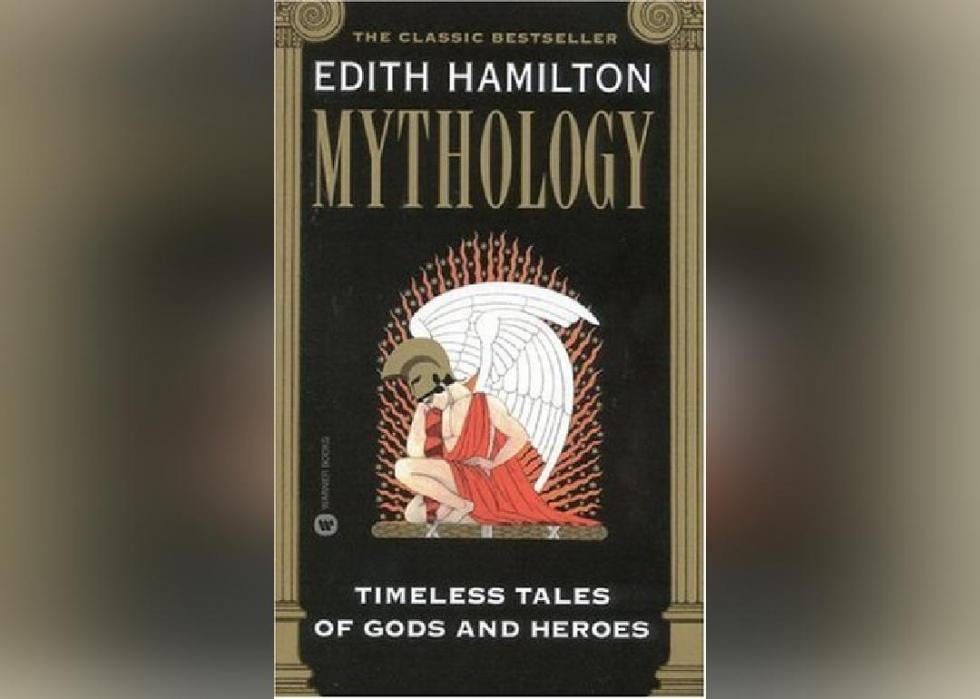
#44. Mythology: Timeless Tales of Gods and Heroes

- Author: Edith Hamilton
- Score: 3,902
- Boilerplate rating: three.99/5, based on 40,876 ratings

Writer Edith Hamilton takes the reader on a journey through Greek, Roman, and Norse mythology with tales of the Olympus and Norse gods in Valhalla and the Trojan State of war in Odysseus. For high schoolhouse students, it tin can serve every bit an important introduction to archetype mythology that tin can assistance them better empathise the themes behind other works like "The Iliad" and "The Odyssey." Hamilton's book is considered the standard past which all other books on mythology are measured.

8 / 50

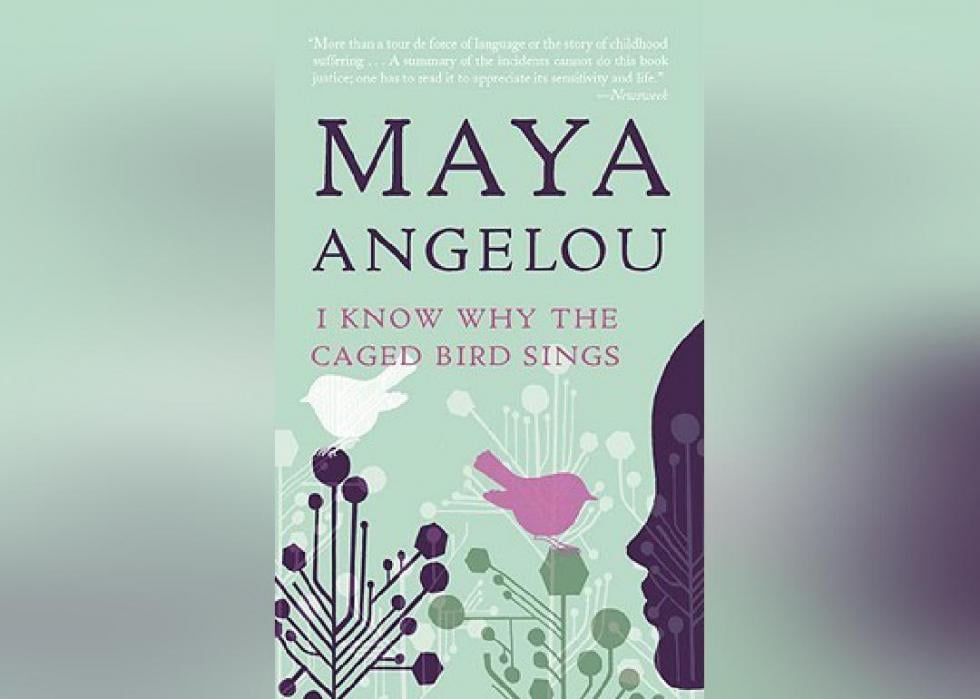
#43. I Know Why the Caged Bird Sings

- Writer: Maya Angelou
- Score: three,971
- Average rating: iv.22/5, based on 351,852 ratings

Maya Angelou, who was raped by her female parent'southward boyfriend when she was viii, writes about her experience with sexual assault and racism while growing up in the Jim Crow Southward in "I Know Why the Caged Bird Sings." The autobiography, which Angelou wrote at the urging of her friend and fellow author James Baldwin, was one of the outset written by a Black woman to reach a wide full general audience.

ix / l

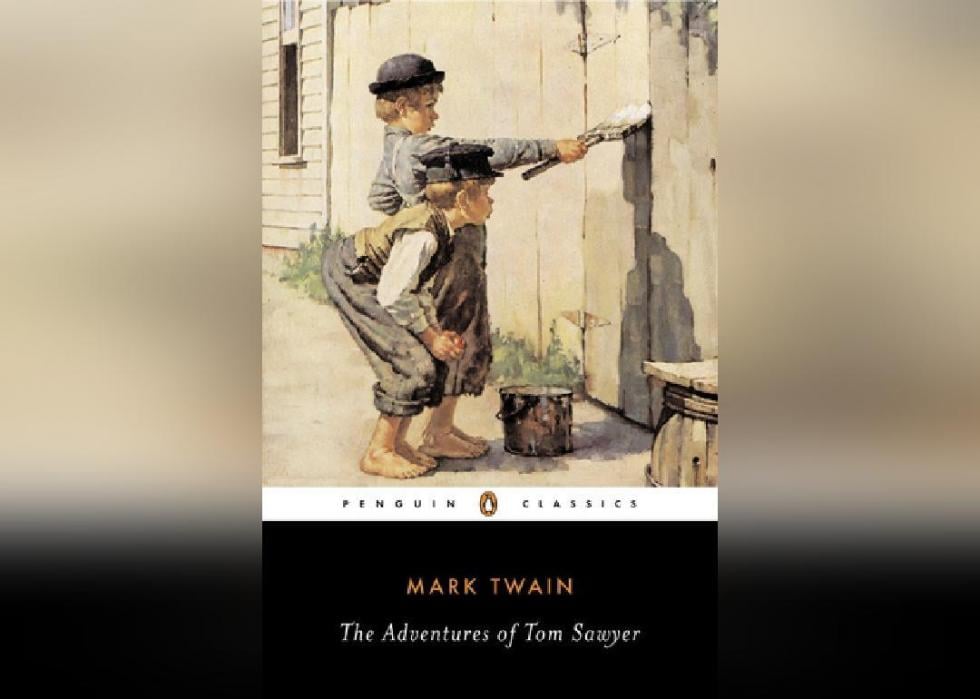
#42. The Adventures of Tom Sawyer

- Author: Mark Twain
- Score: 4,073
- Average rating: 3.91/5, based on 686,551 ratings

"The Adventures of Tom Sawyer" takes place in the fictional town of St. Petersburg, Missouri, during the 1840s. Tom Sawyer and his friend Huck Finn witness a murder by Joe. Afterwards the boys stay silent, the wrong human is accused of the law-breaking. When they abscond, the whole town presumes them dead and the boys end upwardly attending their own funerals. Marker Twain'due south portrayal of Sawyer and Finn claiming the idyllic American view of childhood, instead showing children as fallible human beings with imperfections similar anyone else.

x / 50

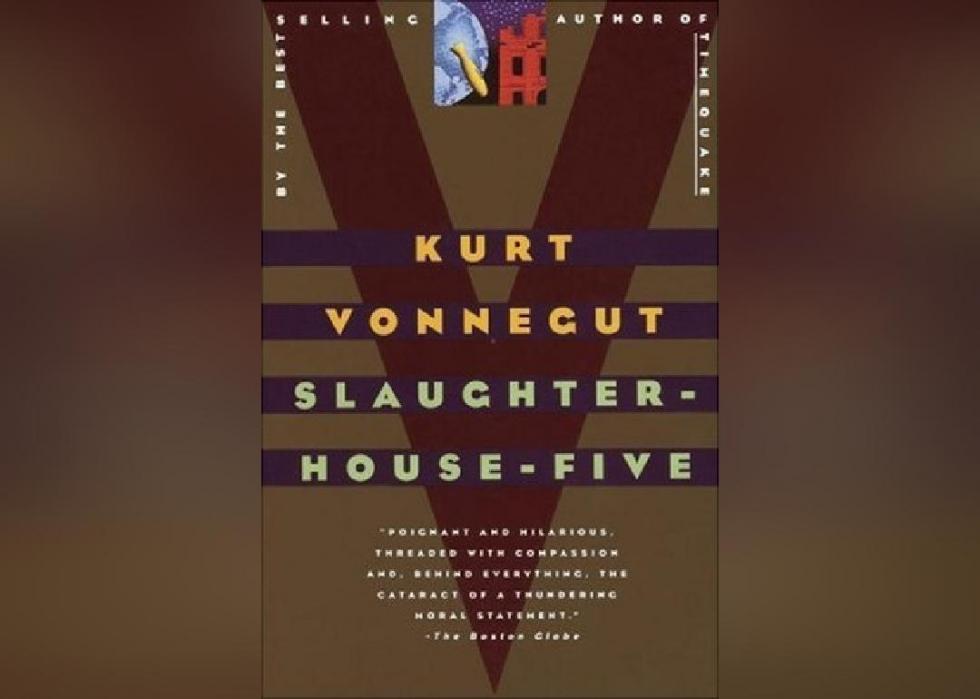
#41. Slaughter-house-Five

- Author: Kurt Vonnegut
- Score: four,357
- Average rating: 4.07/v, based on i,025,939 ratings

In "Slaughterhouse-V," Kurt Vonnegut tells the story of Billy Pilgrim—based on a existent American soldier—who is "unstuck in time." He travels throughout the timeline of his life in a nonlinear way, forced to relive certain moments. He is first pulled out later on he is drafted and is captured in Federal republic of germany during Earth War Two. The book, which explores how humankind repeats history, has been banned or challenged in classrooms throughout the U.s.a.. Information technology even landed in the U.S. Supreme Courtroom in 1982 in Board of Education v. Pico, and the court held that banning the book violated the Starting time Subpoena.

11 / 50

#forty. The Taming of the Shrew

- Writer: William Shakespeare
- Score: iv,666
- Average rating: 3.80/v, based on 145,421 ratings

This v-act comedy tells the story of the courting of the headstrong Katharine and the money-grubbing Petruchio, who is determined to subdue Katharine and brand her his wife. Afterwards the wedding, Petruchio drags his new wife through the mud to their new home in the country. He gain to starve and deprive her of sleep to make his new helpmate submissive. The play, i of Shakespeare'south most popular, has been both criticized for its abusive and misogynistic attitude toward women, and praised as a challenging view of how women are supposed to carry.

You may also like:The best streaming services in 2021

12 / 50

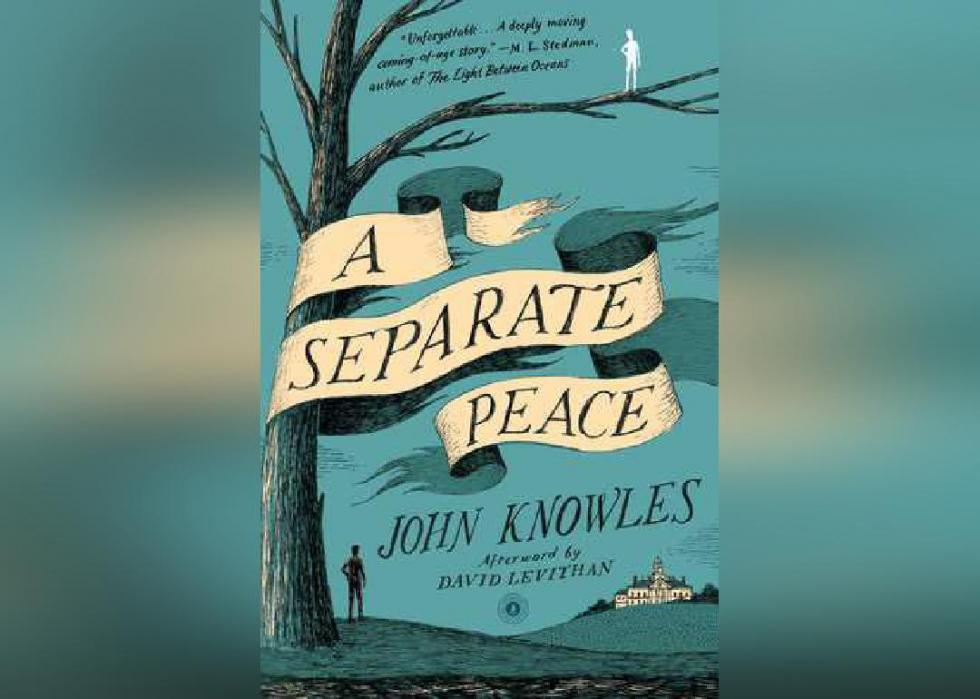
#39. A Split up Peace

- Author: John Knowles
- Score: iv,859
- Boilerplate rating: 3.57/5, based on 179,467 ratings

In "A Separate Peace," John Knowles explores the friendship of two young men—the quiet, intellectual Cistron Forrester and his extroverted, athletic friend Finny. Gene lives vicariously through Finny, only his jealousy ultimately ends in tragedy subsequently he commits a subtle human activity of violence. The book examines themes of green-eyed and the need to achieve.

13 / 50

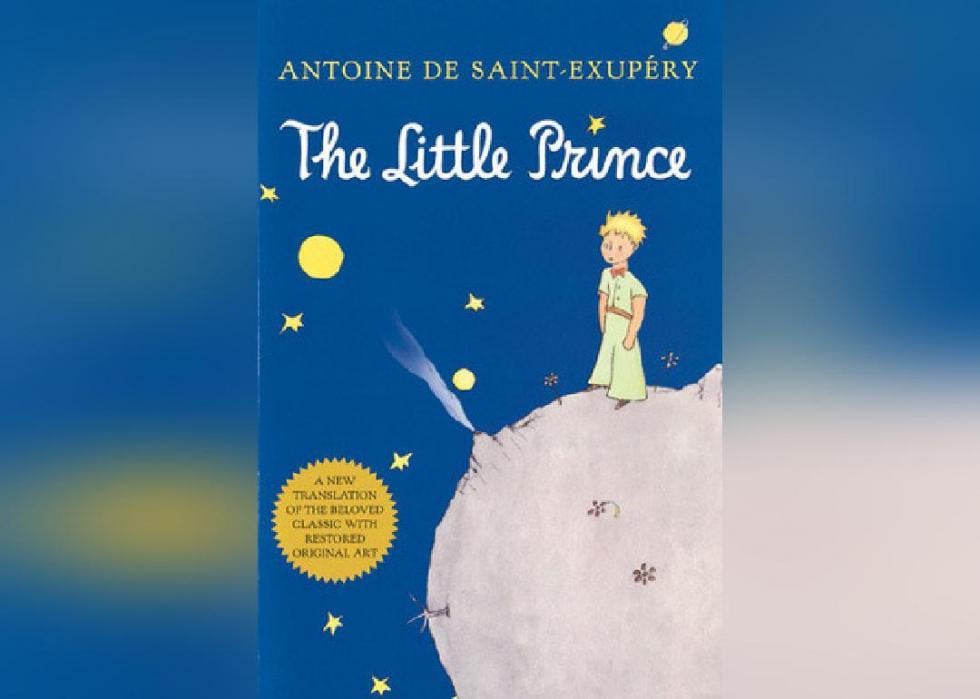
#38. The Petty Prince

- Author: Antoine de Saint-Exupéry
- Score: 5,234
- Average rating: 4.30/v, based on 1,120,033 ratings

In "The Little Prince," a airplane pilot whose airplane has crashed in the Sahara desert meets a young boy from outer space. The boy is traveling from planet to planet in search of friendship. On the boy's home—an asteroid—he lived alone, accompanied only by a lone rose. In one case on Earth, the boy meets a wise play a trick on who tells him he can only see conspicuously with his centre. The book's somber themes of imagination and machismo have resonated with children and adults alike since it published—it is now i of the most-translated books of all time.

xiv / l

#37. Criminal offence and Punishment

- Writer: Fyodor Dostoyevsky
- Score: 5,245
- Average rating: four.20/5, based on 543,309 ratings

This Russian classic, published in 1886, tells the story of a former student named Rodion Raskolnikov who is now impoverished and on the verge of mental instability. To get money—and to demonstrate his exceptionalness to himself—he comes up with a murderous plan to kill a pawnbroker. Considered one of the first psychological novels, the plot is also a political one that explores the character's pull toward liberal views and his rebellion against them.

15 / 50

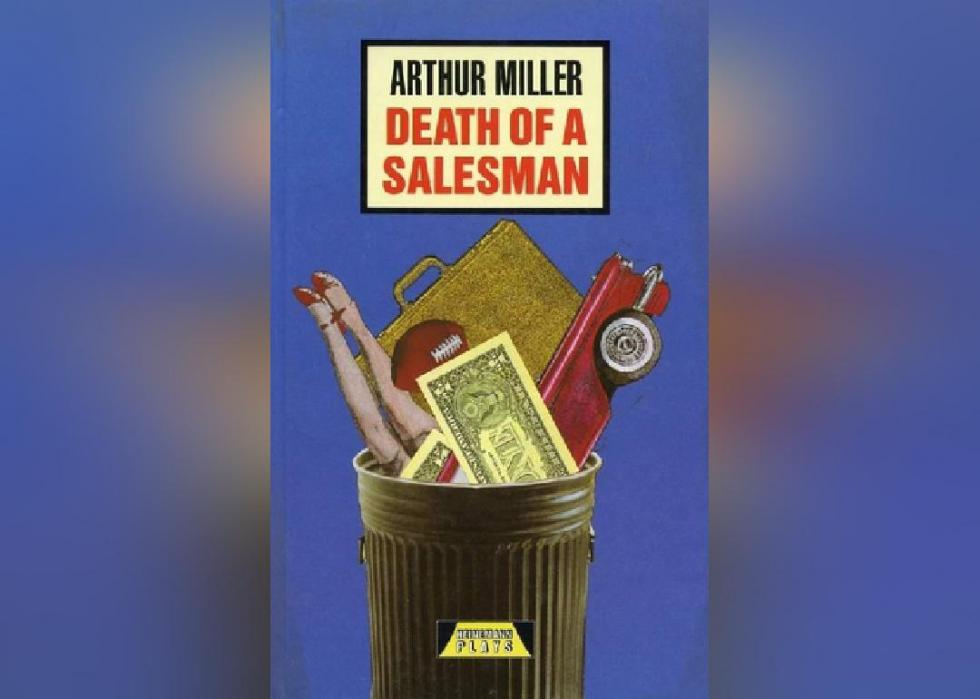
#36. Death of a Salesman

- Author: Arthur Miller
- Score: 5,567
- Average rating: 3.l/v, based on 165,933 ratings

Arthur Miller introduces readers to an aging Willy Loman, a traveling salesman nearing the terminate of his career. Loman decides he'due south tired of driving for piece of work and asks for an part task in New York City, believing he is vital to the visitor. His boss ends up firing him. Loman is also faced with the fact that his son, Biff, has not turned into the success Loman had hoped for. In the cease, Loman commits suicide so his son can have the insurance money to jumpstart a amend life. After his death, just Loman'south family attends his funeral. "Death of a Salesman" won the 1949 Pulitzer Prize in Drama.

16 / fifty

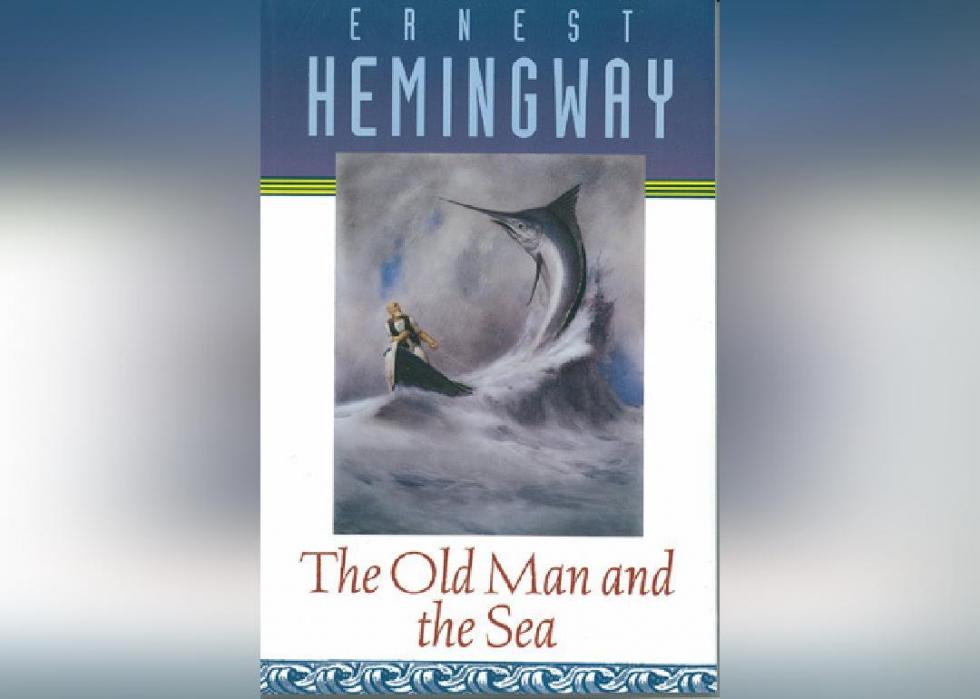
#35. The Old Man and the Sea

- Author: Ernest Hemingway
- Score: 5,822
- Boilerplate rating: three.76/five, based on 715,980 ratings

"The Former Man and the Bounding main" was Ernest Hemingway's final major work. The story follows an old man who catches a large fish, but to have it eaten by sharks earlier he can get it back to shore. Although many may see symbolism about life and aging in the book, Hemingway said at that place wasn't a deeper meaning in the prose.

17 / l

#34. Flowers for Algernon

- Author: Daniel Keyes
- Score: 5,827
- Average rating: 4.11/5, based on 422,243 ratings

The principal graphic symbol in "Flowers for Algernon" is Charlie Gordon, a human of low intelligence who becomes a genius after undergoing an experimental procedure. The experiment has already been performed on a lab mouse named Algernon. Gordon'due south intelligence opens his eyes to things he'south never understood before, merely he eventually loses his newly acquired noesis. The mouse, who Gordon remembers fondly, dies. Daniel Keyes wrote the volume after realizing that his education was causing a rift between him and his loved ones, making him wonder what information technology would be similar if someone's intelligence could be increased.

eighteen / l

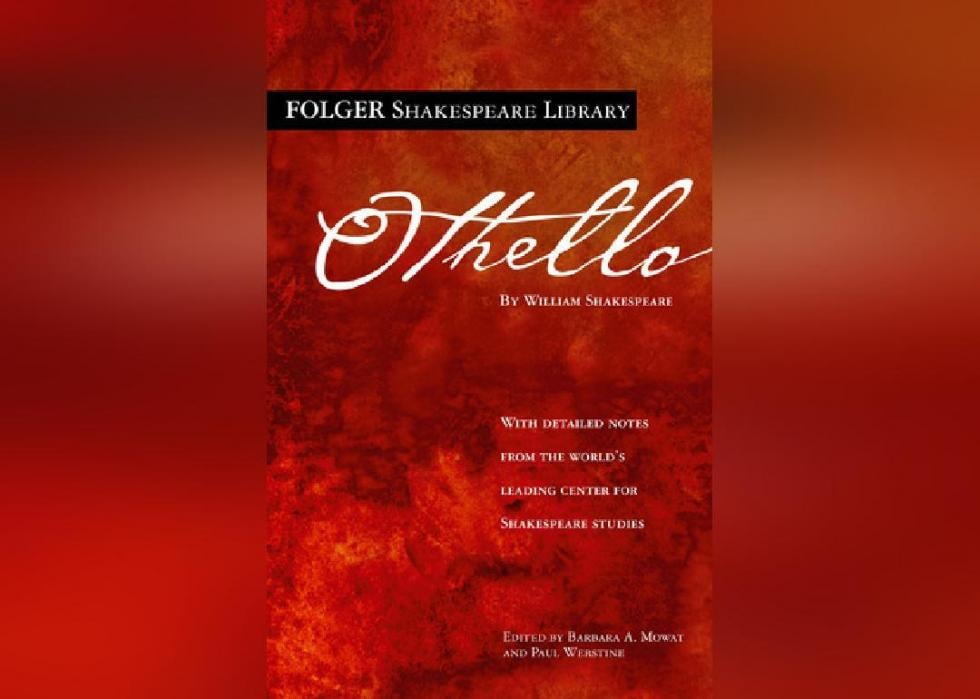
#33. Othello

- Writer: William Shakespeare
- Score: 5,992
- Average rating: three.89/v, based on 286,333 ratings

Shakespeare wrote "Othello" in the early 17th century. The play tells the tragic story of Othello—a Moor and general in the Venetian army, and Iago—a traitorous depression-ranking officer. Shakespeare tackles themes of racism, betrayal, and jealousy. While he refers to Othello as "Blackness," Shakespeare most likely meant he was darker-skinned than almost Englishmen at the fourth dimension and not necessarily of African descent.

nineteen / 50

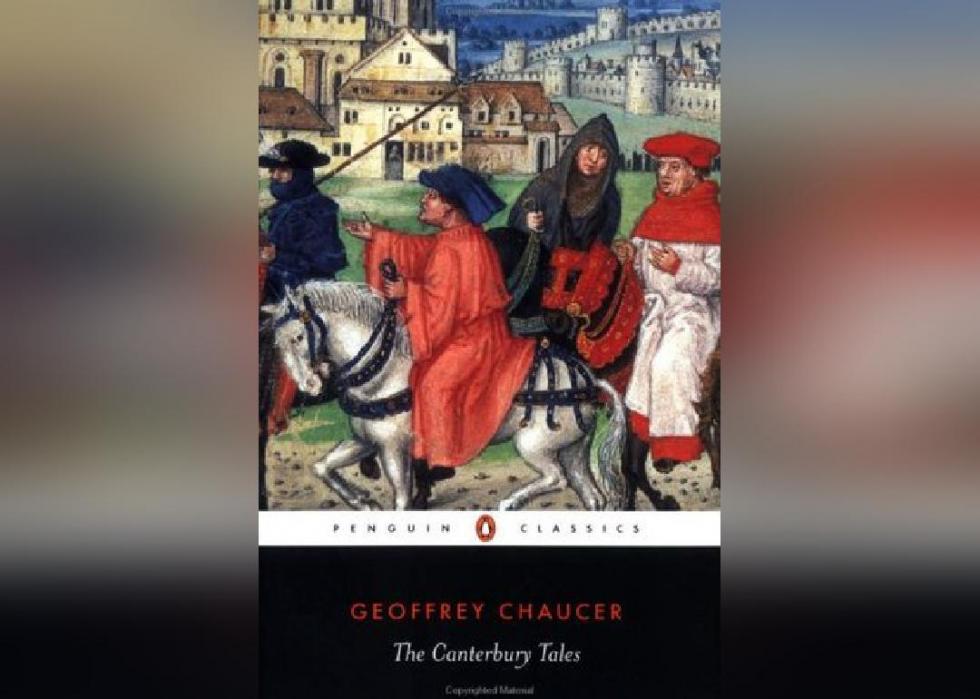
#32. The Canterbury Tales

- Author: Geoffrey Chaucer
- Score: 6,040
- Average rating: 3.49/5, based on 175,388 ratings

"The Canterbury Tales," written past Geoffrey Chaucer in the 14th century, was one of the starting time major works of English literature. The story follows a group of pilgrims who tell tales during their journey from London to Canterbury Cathedral. The bandage of characters—including a carpenter, melt, and knight, amidst others—paint a varied picture of 14th-century society. The stories inspired the modern motion-picture show "A Knight's Tale," starring Heath Ledger as a poor knight, and Paul Bettany as Chaucer.

xx / 50

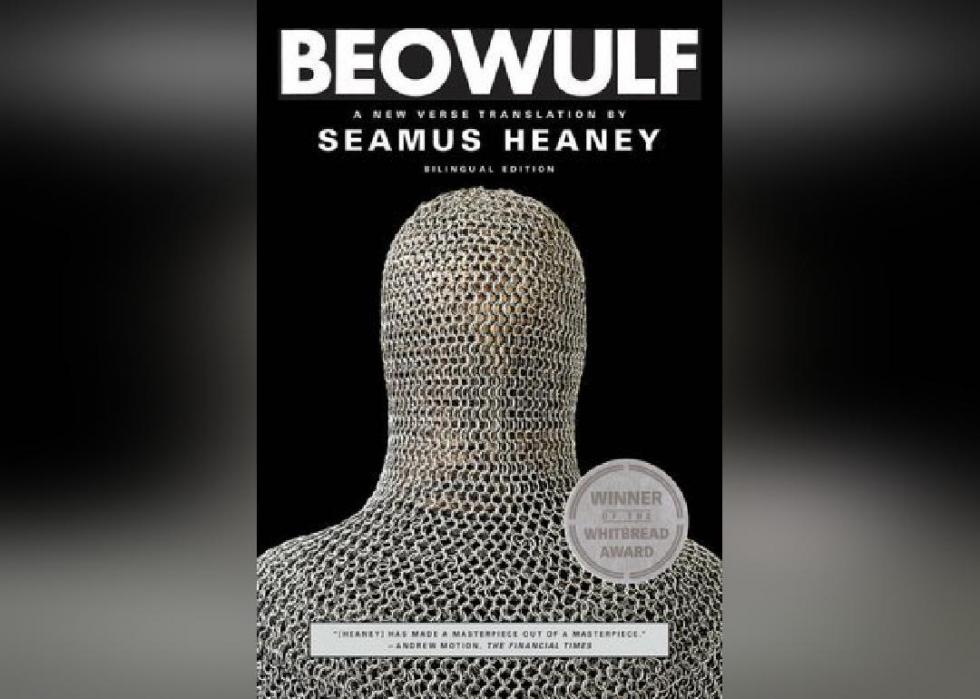
#31. Beowulf

- Author: Unknown
- Score: 6,572
- Boilerplate rating: 3.43/5, based on 209,182 ratings

"Beowulf" is an epic poem—an original manuscript copy is housed in the British Library—of three,000 lines. It was written in One-time English somewhere between 700 and 1000 A.D., and tells the story of Beowulf, a nobleman, and warrior in Sweden who is sent to Denmark to fight a swamp monster called Grendel.

21 / 50

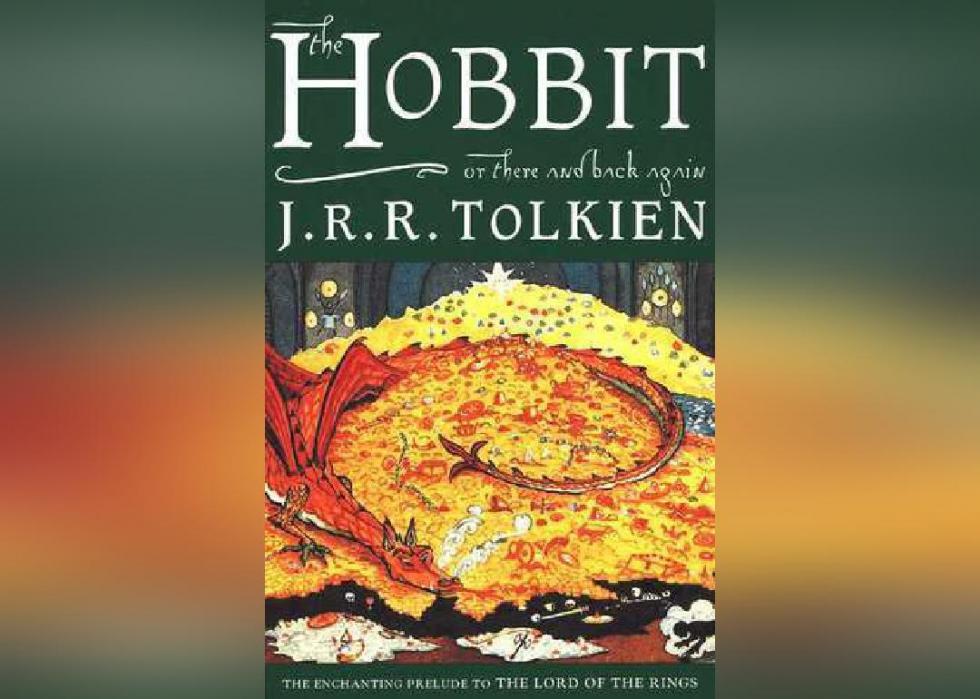
#30. The Hobbit

- Author: J. R. R. Tolkien
- Score: half dozen,701
- Boilerplate rating: 4.27/5, based on two,554,239 ratings

In this prequel to The Lord of the Rings trilogy, readers tag along with Bilbo Baggins, an unassuming hobbit who is convinced to go on an adventure by the magician Gandalf. Bilbo finds there is much more to himself than he thought—and he finds a sure ring, likewise. "The Hobbit," written in 1932, contains many of the building blocks—an epic quest, an unwilling hero, elves, and goblins—that modern fantasy writers still reference today.

22 / l

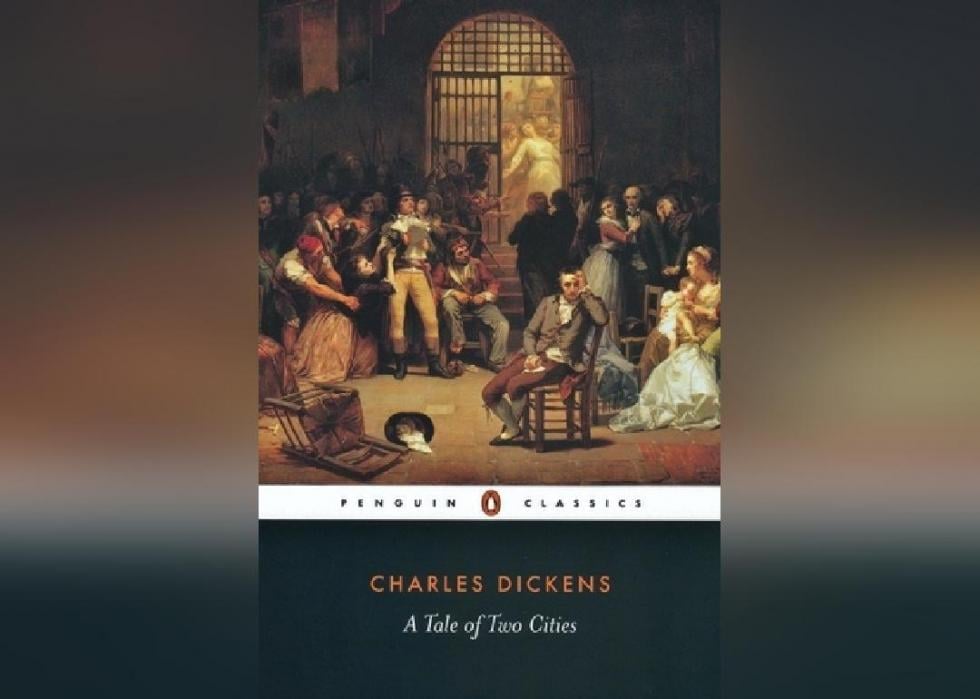
#29. A Tale of Two Cities

- Writer: Charles Dickens
- Score: 7,077
- Average rating: three.83/5, based on 750,394 ratings

"A Tale of Two Cities," famously starts out: "Information technology was the best of times, information technology was the worst of times..." Set in the late 1700s, Charles Dickens vividly writes about the fourth dimension leading upwards to and during the French Revolution. The historical novel describes decease and despair, but also touches on themes of redemption.

23 / 50

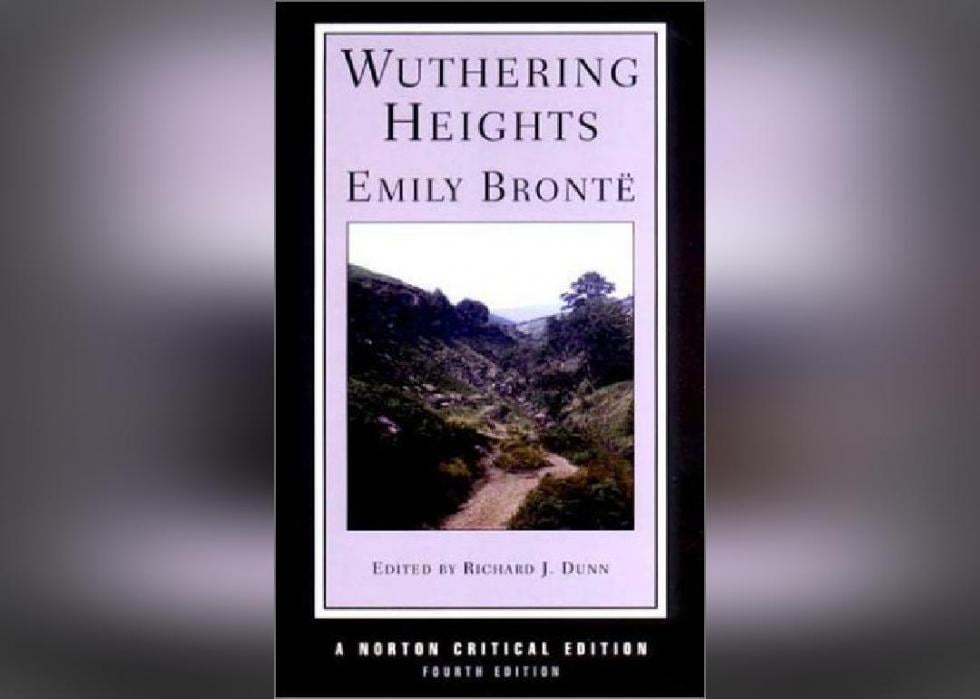
#28. Wuthering Heights

- Author: Emily Brontë
- Score: seven,222
- Boilerplate rating: 3.84/5, based on ane,183,188 ratings

"Wuthering Heights," published in 1847, was the first and just novel past Emily Brontë, who died a year later at the age of 30. Brontë tells the tragic love story between Heathcliff, an orphan, and Catherine, the daughter of his wealthy benefactor. Considered a classic in English language literature, the novel shows readers how passionate and destructive love tin can be.

24 / l

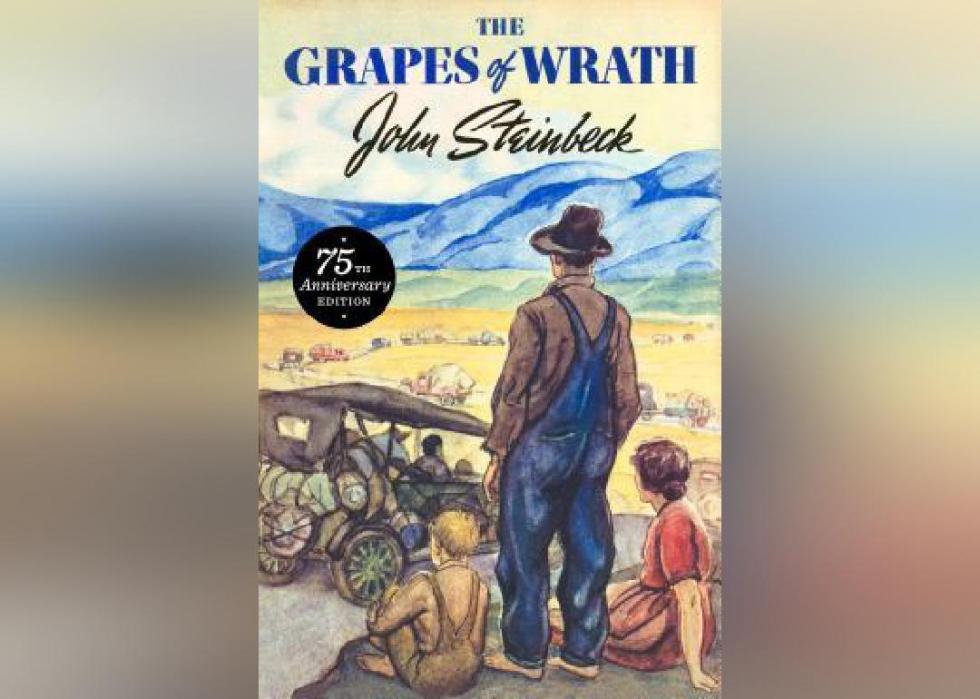
#27. The Grapes of Wrath

- Author: John Steinbeck
- Score: 7,540
- Boilerplate rating: 3.95/five, based on 666,190 ratings

"The Grapes of Wrath" is considered a great American novel partly because it brought to light the devastation and despair caused by the Grit Basin and the Dandy Depression. The story follows Tom Joad after he is released from prison house to find his family'due south Oklahoma farmstead empty and destroyed. Joad and his family unit later on set off for a new life in California, just to confront struggles forth the way. The book, which focuses on the theme of difficult piece of work, won the 1940 Pulitzer Prize for Novel (now Fiction).

25 / 50

#26. Frankenstein

- Author: Mary Wollstonecraft Shelley
- Score: seven,931
- Average rating: 3.78/5, based on 1,032,148 ratings

Mary Shelley wrote "Frankenstein," considered the determinative horror text and one of the greatest horror novels of all time, when she was only xix. The story was published in 1818 and introduced readers to Dr. Victor Frankenstein, a scientist who brings to life a creature he assembled from discarded corpse parts. Although Dr. Frankenstein is horrified by his creation and abandons it, the creature manages to educate itself and and so seeks revenge on his creator. The novel explores humanity'southward want for innovation and the fear of modify it brings.

26 / 50

#25. A Midsummer Nighttime'south Dream

- Writer: William Shakespeare
- Score: vii,999
- Average rating: iii.94/5, based on 409,141 ratings

Like many of Shakespeare's plays, "A Midsummer Night's Dream" explores the theme of honey. This comedy shows the events that surround the matrimony of Theseus, the duke of Athens, to Hippolytus, a former Amazon queen. The play also shares the stories of several other lovers who are influenced by the fairies who live in the forest near the wedding. The play is a favorite for actors and audiences, fifty-fifty today.

27 / 50

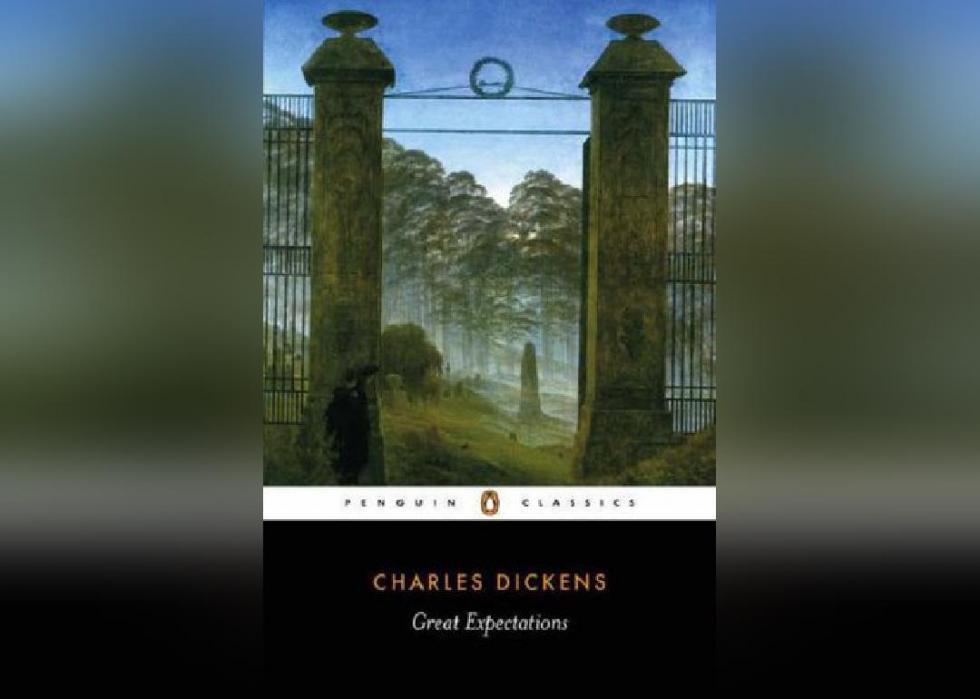
#24. Keen Expectations

- Author: Charles Dickens
- Score: viii,479
- Average rating: 3.77/5, based on 590,620 ratings

This Charles Dickens classic tells the story of Pip, an orphan who gets a take chances at a better life through an anonymous distributor. The plot by and large centers effectually Pip'south regular visits to Miss Havisham, a wealthy recluse, and his love for her adopted daughter Estella, who is cold toward Pip until years afterwards. Many consider the novel a bully masterpiece.

28 / 50

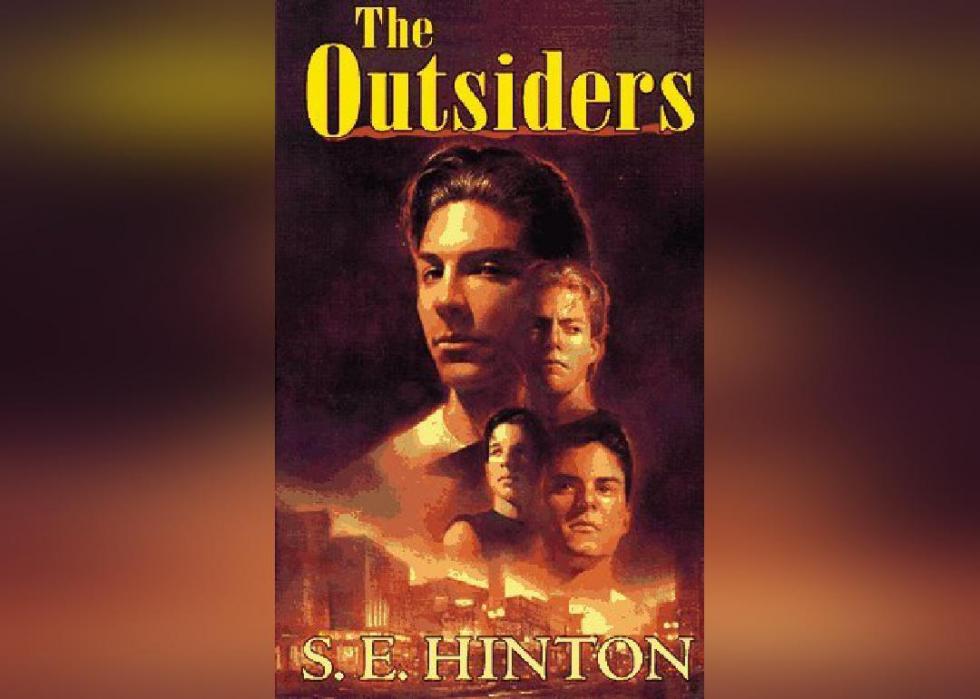
#23. The Outsiders

- Writer: Due south.E. Hinton (Goodreads Author)
- Score: 8,480
- Average rating: 4.08/five, based on 816,572 ratings

S.Eastward. Hinton introduced readers to 14-year-old Ponyboy Curtis in "The Outsiders," a novel she wrote when she was 15. The plot centers around two rival gangs: the lower-class Greasers and the well-off Socials. It touches on themes of teen malaise, including the frustrations young people have when they tin't rely on adults to change things, while as well not knowing how to ready things themselves. Hinton'due south publishers encouraged her to publish nether her initials because they didn't call up the public would respect a book nigh teenage boys by someone with a feminine proper name.

29 / fifty

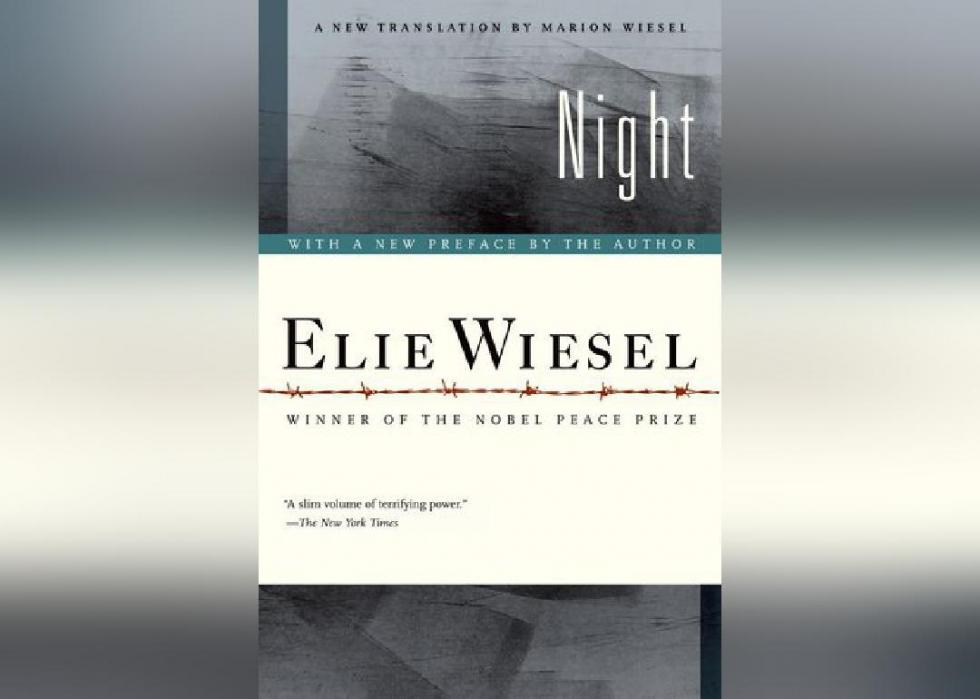
#22. Night

- Author: Elie Wiesel
- Score: 9,166
- Average rating: 4.32/5, based on 868,121 ratings

Elie Wiesel gives a first-hand business relationship of the atrocities experienced in German concentration camps during World War II. Wiesel and his family were deported to Auschwitz. His mother, father, and younger sis all died. In "Night," Wiesel's brilliant and horrific descriptions of beatings, starving men, and death smooth a chilling, personal light on the tragedy of the Holocaust.

30 / l

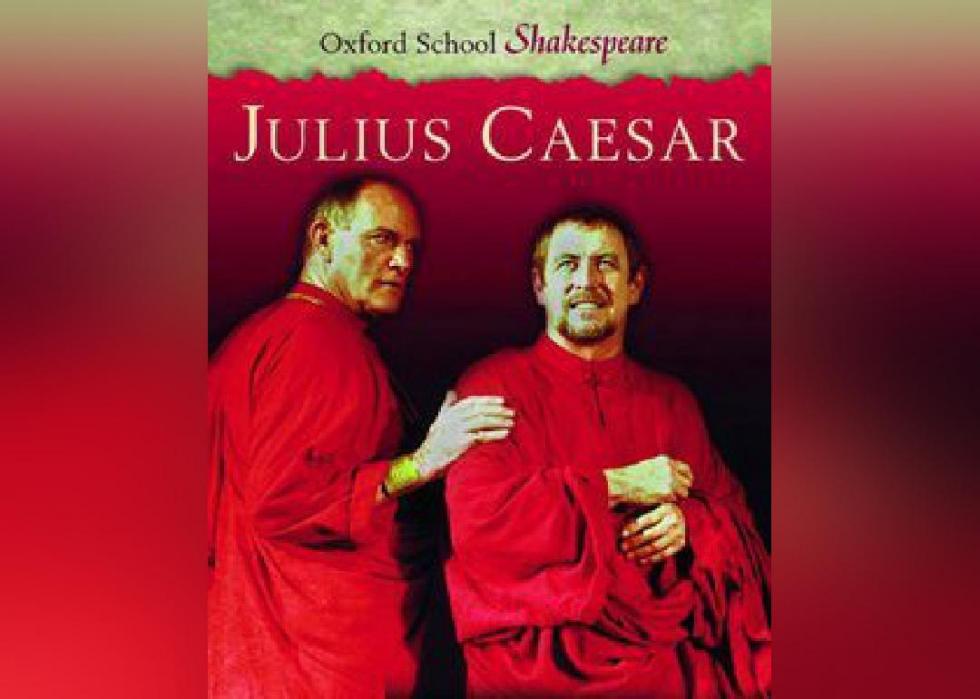
#21. Julius Caesar

- Author: William Shakespeare
- Score: 9,413
- Average rating: 3.67/5, based on 153,978 ratings

Shakespeare takes on history with "Julius Caesar," a tragic story of power and betrayal. Brutus, who worked closely with Caesar, joined his fellow conspirators to assassinate Caesar in order to salve the commonwealth from a tyrannical leader. The events had the reverse event when, only two years subsequently, Caesar's grand nephew was crowned the first emperor of Rome. The play marked a political shift in Shakespeare's writing.

31 / fifty

#20. Brave New World

- Author: Aldous Huxley
- Score: 9,759
- Boilerplate rating: 3.98/5, based on ane,276,116 ratings

In "Brave New Globe," published in 1932, Aldous Huxley paints a picture of a dystopian future where people eat pills called soma to get a sense of instant bliss without side effects. Emotions, individuality, and lasting relationships aren't allowed. A preordained class arrangement is decided at the embryonic stage, with certain people getting hormones for peak mental and athletic fettle. Some historians believe the book'south plot could somewhat represent our bodily hereafter in the adjacent 100 years.

32 / fifty

#19. The Crucible

- Writer: Arthur Miller
- Score: 9,789
- Boilerplate rating: 3.57/5, based on 291,382 ratings

This 1953 play is a dramatized version of the Salem witch trials of the late 1600s. In the novel, a group of young girls are dancing in the forest. When they're defenseless, they imitation illness and shift blame to avoid penalization. Their lies fix off witchcraft accusations throughout the town. Arthur Miller wrote "The Crucible" every bit a protest to the actions of Sen. Joseph McCarthy, who set up a commission to investigate and prosecute the Communists he idea had infiltrated the U.South. government. It won the 1953 Tony Award for Best Play.

You may also like: The all-time streaming services for sports in 2021

33 / 50

#xviii. The Giver

- Author: Lois Lowry (Goodreads Author)
- Score: x,075
- Average rating: 4.13/5, based on i,548,599 ratings

This 1993 immature adult dystopian novel tells of a society that values similarity and non individuality. People are discouraged from beingness unlike and are given jobs that will best serve the community. Those who don't like their role are "released," which means they are forced to leave society. I person is assigned the part of the Giver, and tasked with holding onto memories. Immature Jonas becomes the new Giver. With his new memories, his sensation grows and he begins to question life. The motion-picture show accommodation of the volume was released in 2014.

34 / 50

#17. Fahrenheit 451

- Author: Ray Bradbury
- Score: 10,450
- Average rating: 3.98/5, based on 1,437,170 ratings

Ray Bradbury describes a futuristic earth where books are banned and burned. Guy Montag, one fireman tasked with extinguishing the books, begins to question the practice. When Bradbury wrote the archetype in the 1950s, telly sets were becoming ubiquitous in American households. The theme of the volume was a alert about how mass media could interfere with people's ability or want to think critically, a theme that many think resonates with the social media-obsessed world of today.

35 / 50

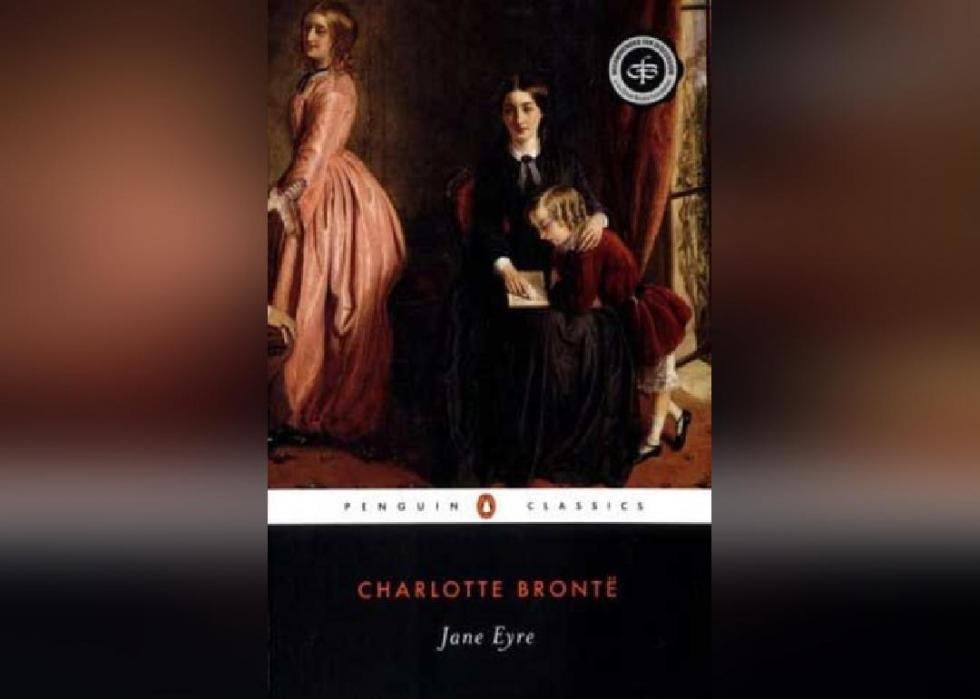
#16. Jane Eyre

- Author: Charlotte Brontë
- Score: 10,629
- Boilerplate rating: 4.11/five, based on 1,455,935 ratings

Charlotte Brontë—sis to Emily—speaks directly to the reader in "Jane Eyre." The Victorian novel follows the headstrong Jane, an orphan who lives with her aunt and cousins, on her quest to find her identity and true dearest. The novel, marketed equally an autobiography and published in 1847 under the pen name Currer Bell, is written in offset person and introduced "the concept of the self" in writing.

36 / 50

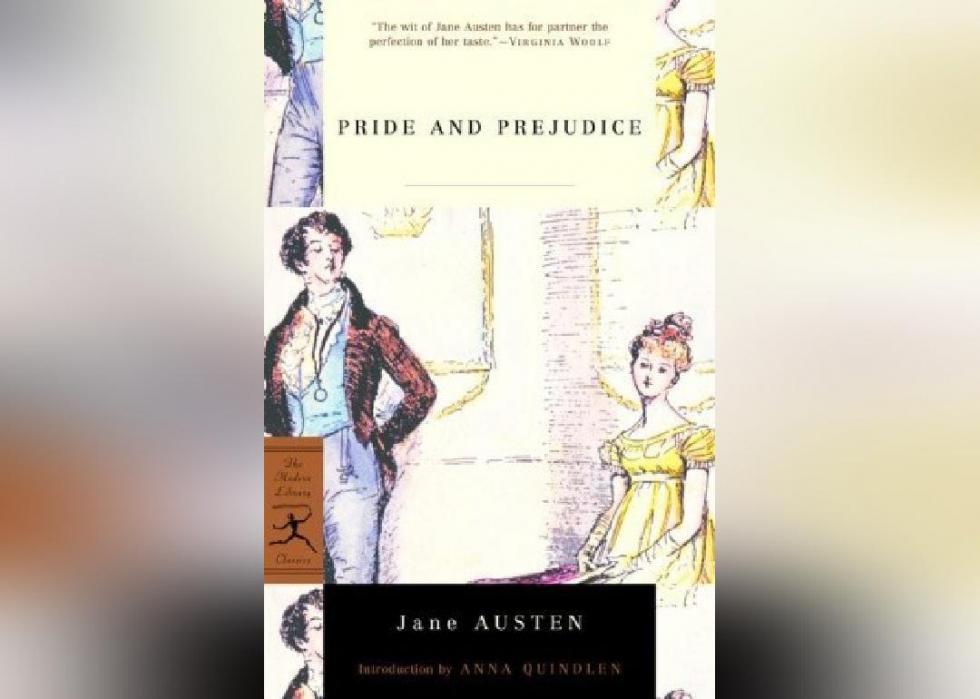
#15. Pride and Prejudice

- Author: Jane Austen
- Score: 11,884
- Average rating: 4.25/5, based on 2,607,645 ratings

Published in 1813, "Pride and Prejudice" was Jane Austen's second novel. The story follows the will-they-won't-they relationship between the wealthy Mr. Darcy and Elizabeth Bennett, who comes from meager means. Throughout the chapters, both change for the better as they fall in love. The book has inspired at least more than a dozen movie and television adaptations.

37 / 50

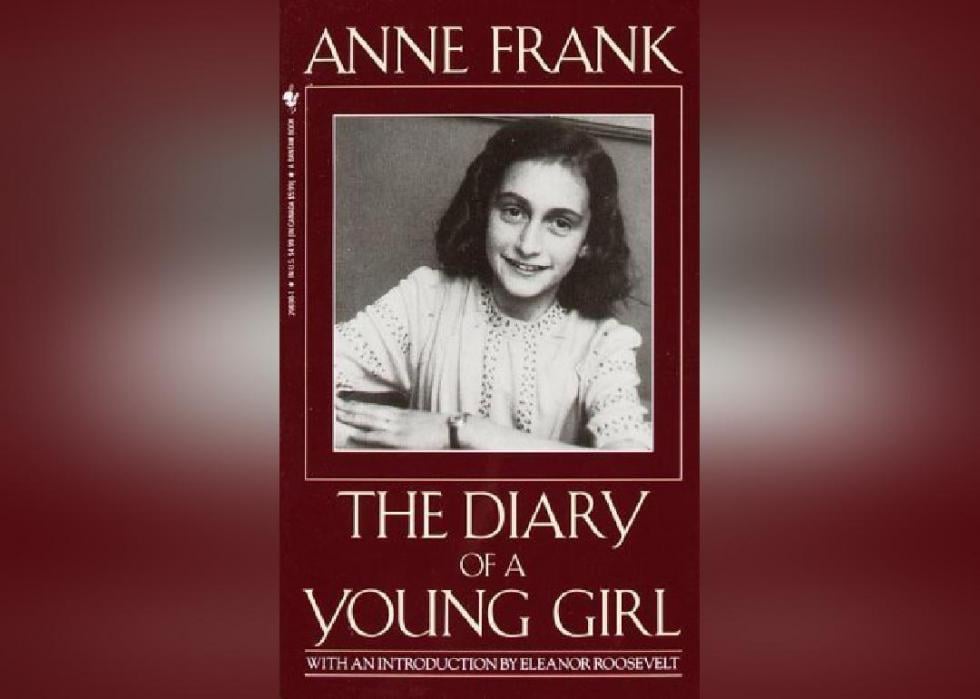
#14. The Diary of a Young Girl

- Author: Anne Frank
- Score: 12,962
- Boilerplate rating: 4.xiii/5, based on 2,423,799 ratings

In 1944, a young Anne Frank recorded her thoughts and feelings every bit she and other Jewish citizens hid from the German Nazis during World State of war II. The coming-of-historic period diary, which chronicles Frank's fourth dimension hiding in the Secret Annex while she became a young woman, has been translated into 70 languages. While she and most of her family were killed, her begetter survived and helped publish her work, making it possible for millions to larn her story.

38 / 50

#13. The Odyssey

- Author: Homer
- Score: 13,345
- Boilerplate rating: three.75/5, based on 791,715 ratings

"The Odyssey," a Greek epic poem, follows Odysseus every bit he travels dorsum to the isle of Ithaca after fighting in the war at Troy—something addressed in Homer's poem, "The Iliad." When he returns home, he and his son, Telemachus, kill all the men who are trying to marry Odysseus's married woman, Penelope. In the stop, Athena, the goddess of wisdom, victory, and war, intervenes. Like many Greek myths, it focuses on themes of love, backbone, and revenge.

39 / 50

#12. 1984

- Author: George Orwell
- Score: 13,721
- Boilerplate rating: four.17/5, based on 2,637,484 ratings

George Orwell describes a dystopian time to come rife with war and one where the regime—led by Big Brother—controls the truth and snuffs out individual thought. The protagonist, Winston Smith, becomes disillusioned with the Political party, and he rebels against it. Although it was published in 1949, the novel had a resurgence in 2017.

40 / l

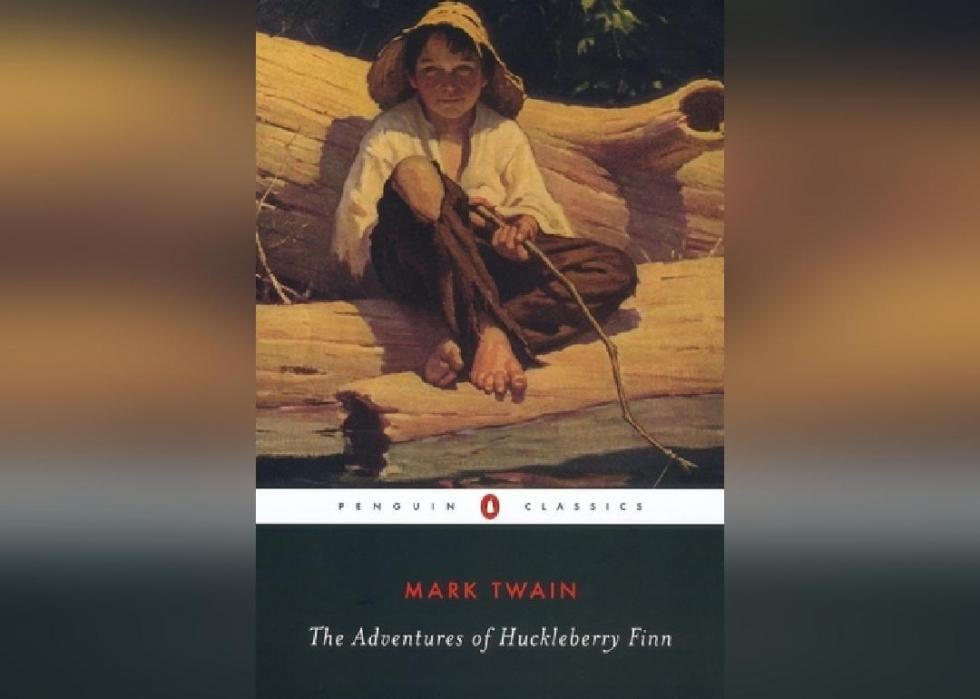
#11. The Adventures of Huckleberry Finn

- Author: Mark Twain
- Score: 14,430
- Boilerplate rating: three.81/5, based on 1,084,798 ratings

Blueberry Finn is the main character in this follow-up novel to "The Adventures of Tom Sawyer." The book explores themes of racism as Huck Finn floats downwardly the Mississippi River with a human being escaping slavery. Like Huck, Twain changed his childhood views and rejected slavery as an institution.

41 / l

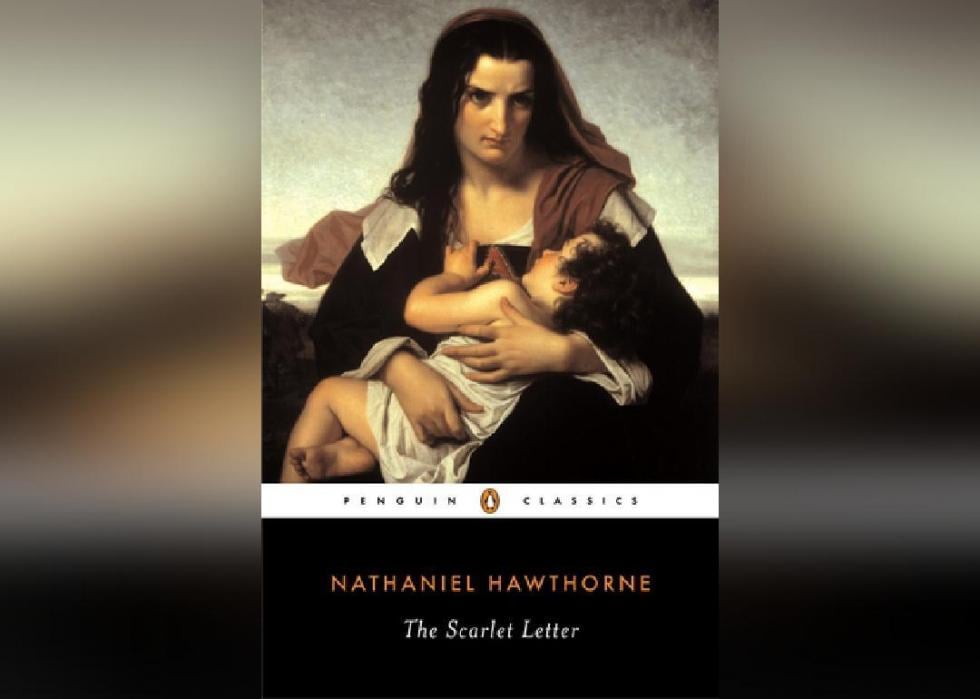
#x. The Ruby-red Letter

- Writer: Nathaniel Hawthorne
- Score: 15,426
- Average rating: 3.39/5, based on 642,352 ratings

Nathaniel Hawthorne published "The Scarlet Letter of the alphabet" in 1850. In the novel, which is based on historical events, readers follow the story of Hester Prynne, a woman who is forced to wear a red "A" on her clothes later on she conceives a child out of wedlock. She bears the punishment lonely when she refuses to name the babe'due south father. Her character marked one of the starting time where a strong woman was the protagonist. Hawthorne also touches on themes of hypocrisy, shame, guilt, and love.

You lot may as well similar:The best streaming services for football game in 2021

42 / 50

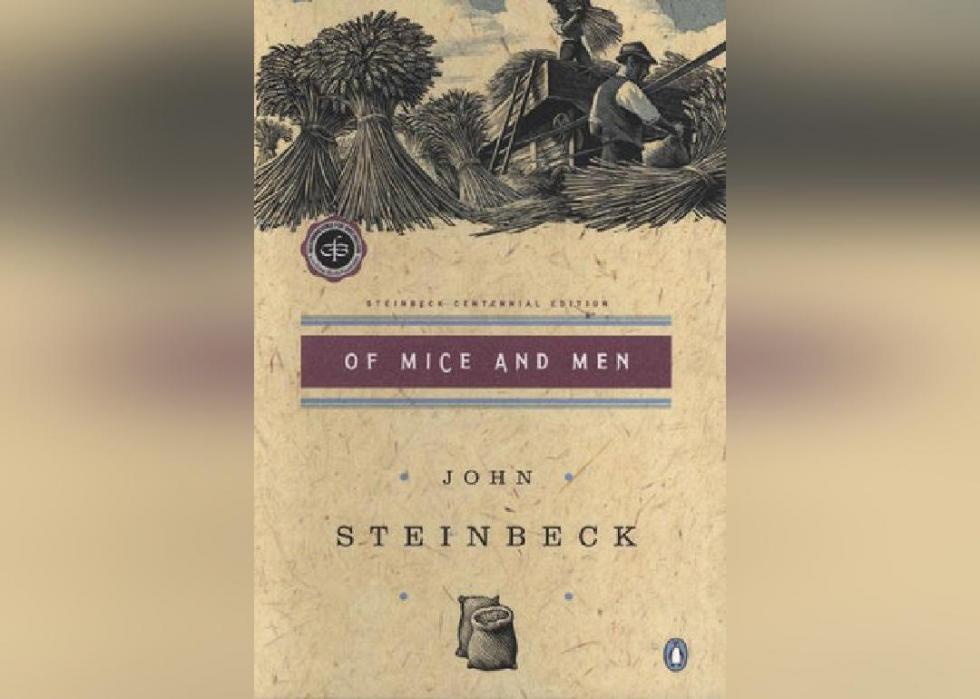
#9. Of Mice and Men

- Writer: John Steinbeck
- Score: 17,192
- Average rating: 3.86/5, based on 1,743,236 ratings

"Of Mice and Men" tells the story of George and his simple-minded friend, Lennie. The ii have to get new jobs on a ranch because of some problem in Lennie'southward by. The novel, prepare during the Great Depression, tackles topics of poverty, sexism, and racism.

43 / 50

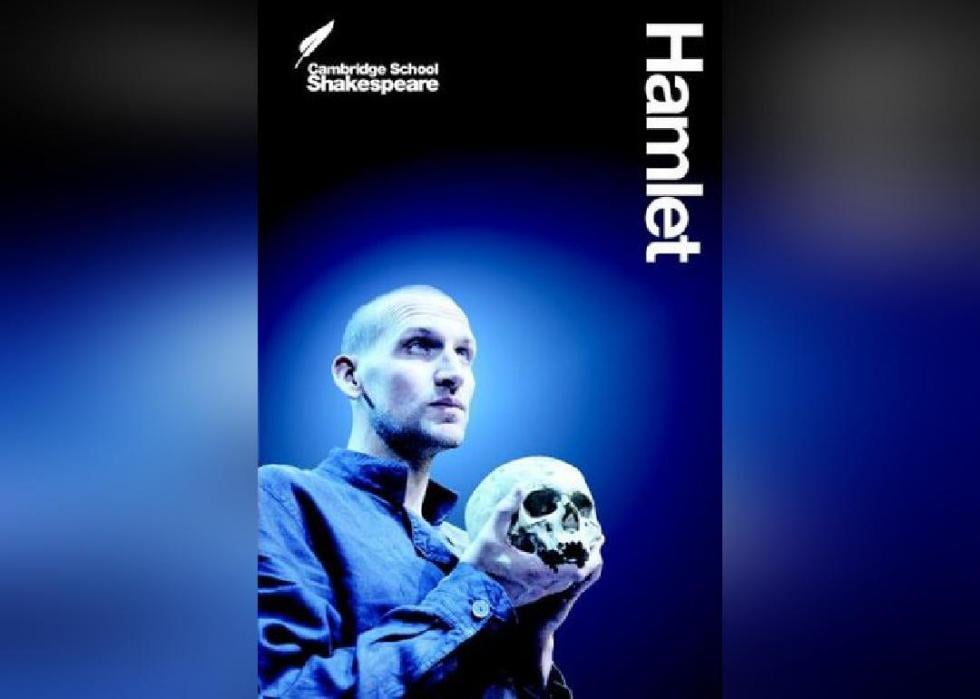
#viii. Hamlet

- Author: William Shakespeare
- Score: 17,276
- Boilerplate rating: iv.01/5, based on 657,227 ratings

Hamlet, the prince of Denmark, becomes vengeful afterward attending his father's funeral, merely to find his mother has remarried his uncle, Claudius. The stepfather crowns himself king, a role that should have gone to Village. The prince finds out his begetter was murdered, after which he kills the new king. Ambivalence runs through the play and the character of Hamlet, with his visions of ghosts upwards for estimation—are they existent, or a figment of the troubled man's imagination? The tragedy, which launched the famous line "to be, or not to be," shines a calorie-free on some of the worst traits of humanity. Some consider the play Shakespeare's greatest work.

44 / l

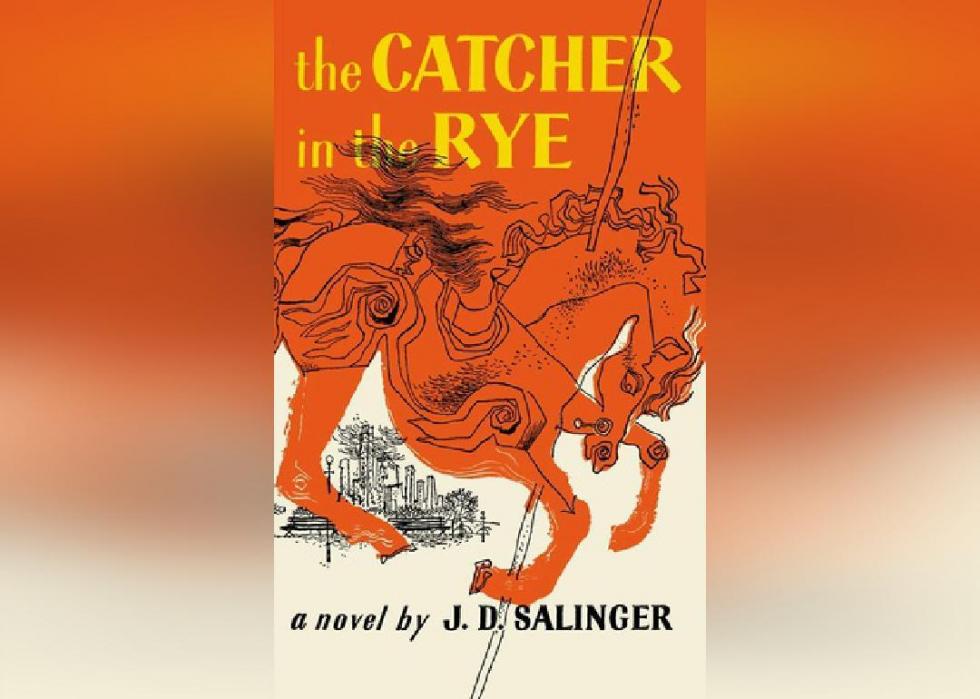
#seven. The Catcher in the Rye

- Author: J. D. Salinger
- Score: 17,633
- Average rating: 3.80/five, based on 2,451,530 ratings

J. D. Salinger aptly captures teen angst in "The Catcher in the Rye" when the reader gets a look at iii days in the life of its narrator, the 16-year-old Holden Caulfield. The book was an instant success, merely some schools have banned it from their libraries and reading lists, citing vulgarity and sexual content.

45 / 50

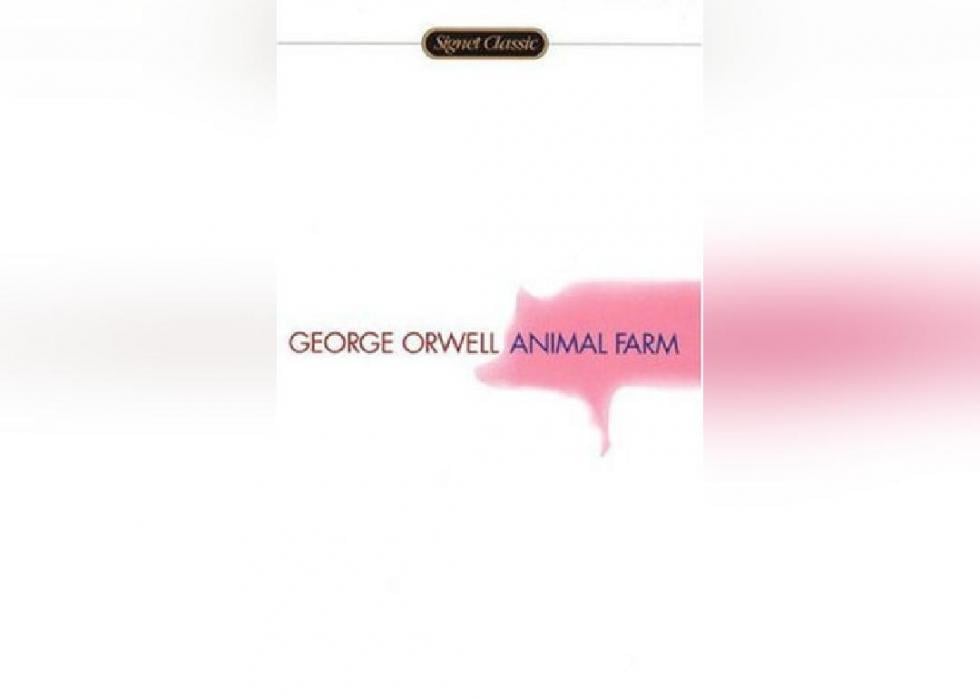
#6. Animal Subcontract

- Author: George Orwell
- Score: 18,315
- Average rating: 3.92/5, based on 2,377,098 ratings

A group of farm animals organizes a revolt later they realize their primary, Mr. Jones, is mistreating them and offering them nothing in return for their work. When they challenge the leadership, they are disciplined for speaking out. This classic isn't about brute rights. It is a larger critique on Soviet Communism. Orwell wrote it as an assault against Stalinism in Russia.

46 / 50

#v. Macbeth

- Author: William Shakespeare
- Score: nineteen,153
- Average rating: three.89/5, based on 605,131 ratings

Another Shakespeare classic, "Macbeth" portrays the weakness of humanity. The graphic symbol of Macbeth receives a prophecy that he will one 24-hour interval become rex of Scotland. His unchecked appetite ends in murder; Macbeth kills King Duncan to steal the throne for himself. It shows the destructive influence of political ambition and pursuing power for its ain sake.

47 / 50

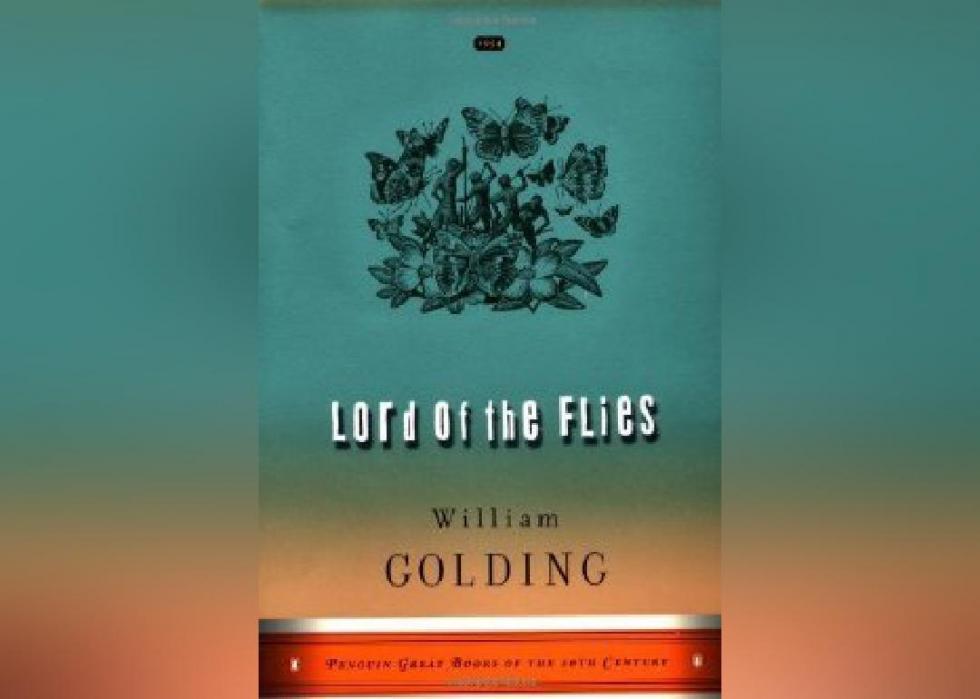
#4. Lord of the Flies

- Author: William Golding
- Score: 20,677
- Average rating: 3.67/v, based on 2,002,142 ratings

"Lord of the Flies" tells the alarming story of a group of young boys who survive a plane crash, merely to descend into tribalism on the island where they landed. Two of the boys—Ralph and Jack—clash in their pursuit of leadership. The novel, which has been challenged in schools, shows how struggles for power based on fear and division tin result in a collapse of social order, themes that might seem relevant today.

48 / fifty

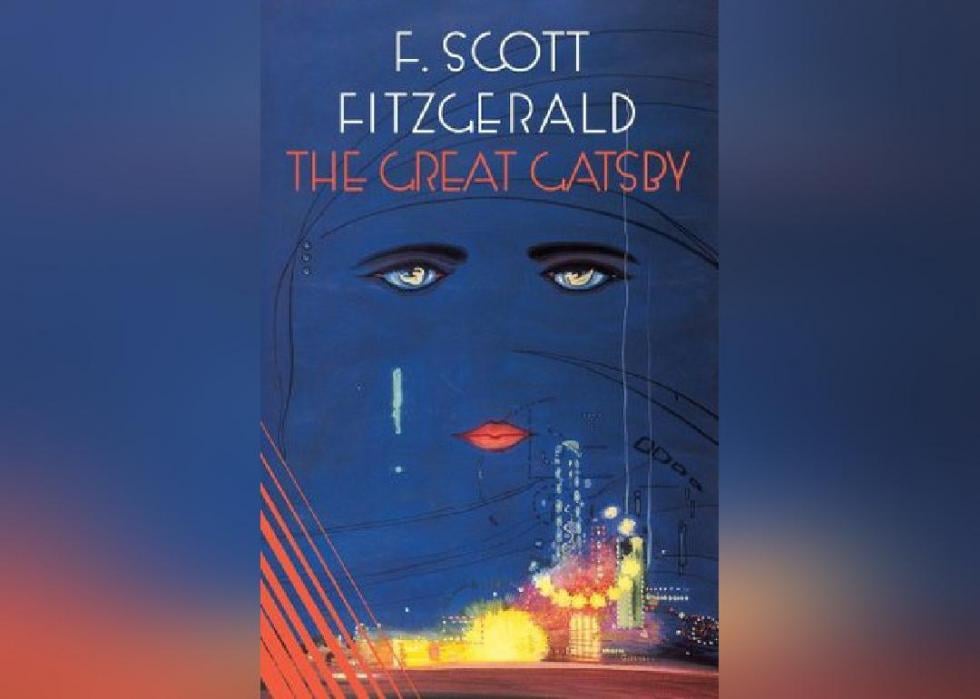
#3. The Great Gatsby

- Writer: F. Scott Fitzgerald
- Score: 24,750
- Average rating: 3.91/5, based on 3,322,289 ratings

Nick Carraway, a Midwest transplant and Yale graduate, moves to Due west Egg, Long Island. Carraway enters a world of extravagance when he becomes entangled with millionaire Jay Gatsby and socialite Daisy Buchanan. The novel is viewed as a cautionary tale about achieving the American dream of wealth and excess.

49 / 50

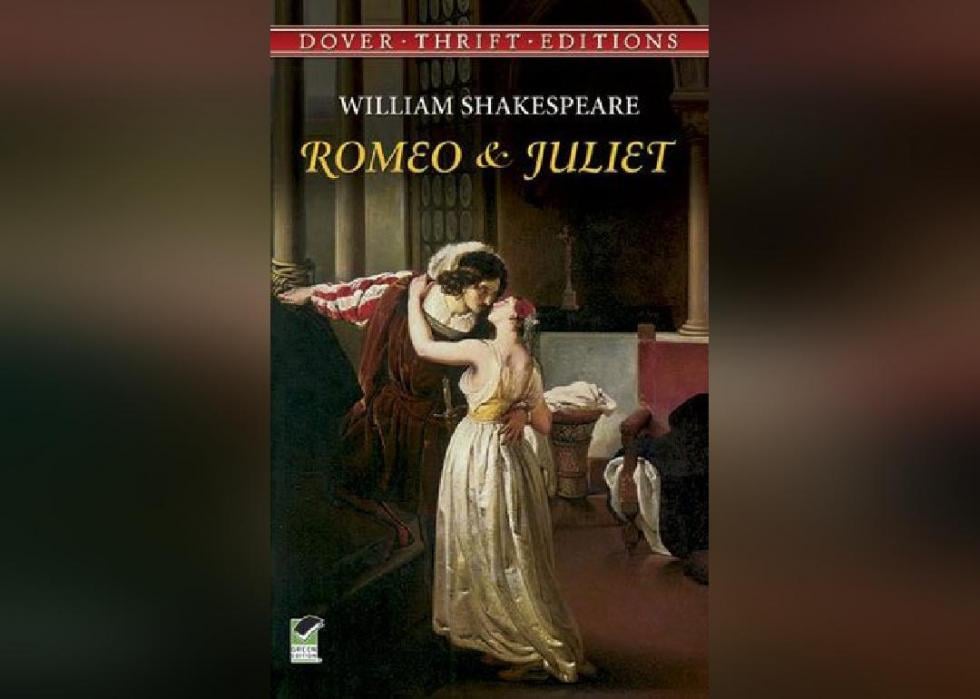
#2. Romeo and Juliet

- Author: William Shakespeare
- Score: 30,769
- Average rating: three.74/5, based on one,878,322 ratings

Two star-crossed lovers meet and perish in this tragedy. Juliet, a Capulet, falls in love with Romeo, a Montague. Because their families are rivals, they are forbidden to marry. They secretly midweek earlier misfortune leads to their deaths. Losing their children inspires a peace among the families. Some critics merits the play'due south childish view of love hasn't stood the test of time, simply others think the story is multilayered and deserves its archetype condition.

50 / fifty

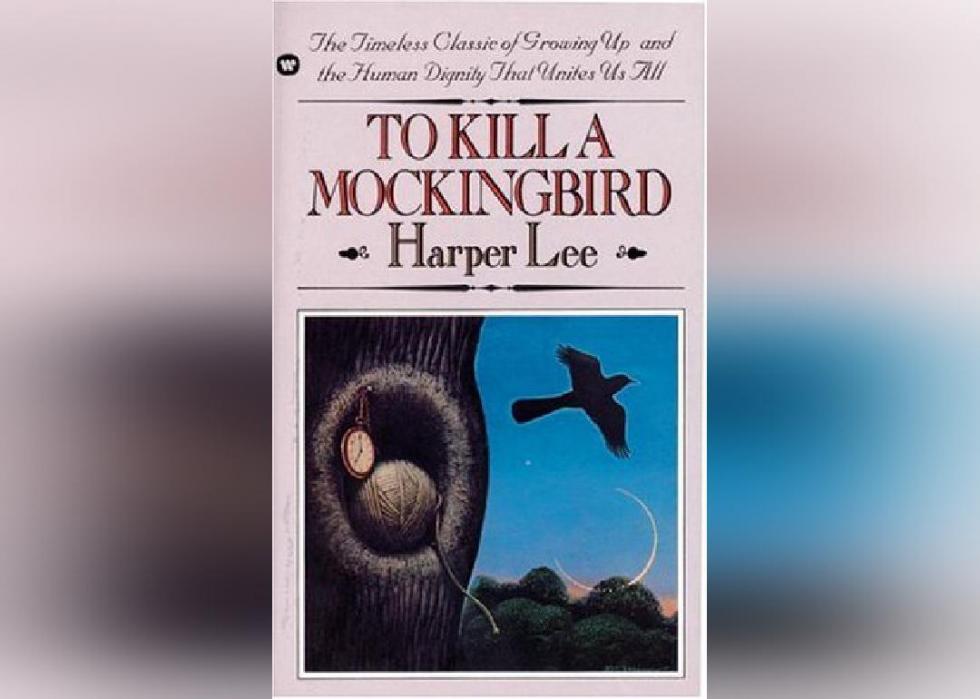
#1. To Kill a Mockingbird

- Author: Harper Lee
- Score: 39,482
- Boilerplate rating: iv.27/5, based on 3,977,468 ratings

Harper Lee's beginning novel, which was published in 1960, tackles issues of racial and social injustice in the South. Set in Alabama, it introduces readers to Atticus Finch, a lawyer who defends a Blackness man defendant of raping a white woman. The indicate-of-view comes from Atticcus'due south daughter, Picket, while Boo Radley, their reclusive neighbor, adds another dimension to this classic story of racism and childhood. Lee'south work won her a Pulitzer Prize and the Presidential Medal of Freedom. Considering of some racial language, the book has been challenged in many schools throughout America.

Trending Now